September is Healthy Aging Month, an opportunity to focus on the habits and choices that can help us stay active, engaged, and independent as we grow older.
Healthy aging doesn’t mean avoiding every health challenge. Our bodies naturally change over time, and many older adults manage chronic conditions or experience changes in strength, mobility, hearing, vision, or energy. Instead, healthy aging is about taking practical steps to support your physical, mental, and emotional well-being at every stage of life.
The good news is that those steps don’t have to be complicated. Regular movement, nutritious foods, meaningful relationships, preventive healthcare, and activities you enjoy can all contribute to a healthier and more fulfilling life.
Whether you’re already enjoying an active retirement or looking for ways to improve your daily routine, Healthy Aging Month is a great reminder that it’s never too late to make your health a priority.
Keep Your Body Moving
Regular physical activity is one of the most important components of healthy aging. Movement helps maintain muscle strength, flexibility, balance, endurance, and cardiovascular health. It can also make everyday activities such as climbing stairs, carrying groceries, getting dressed, or spending time with family easier to manage.
Exercise doesn’t have to mean joining a gym or following an intense workout routine. Walking, gardening, swimming, dancing, and other activities that get you moving can all be beneficial.
Strength and balance exercises are particularly important as we age. Maintaining muscle strength can make it easier to remain independent, while exercises that improve balance may help reduce the risk of falls.
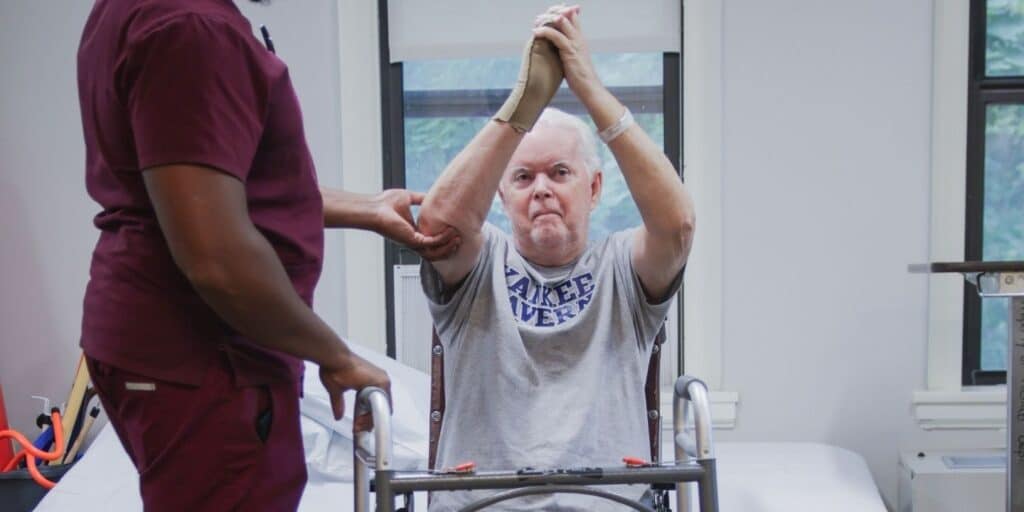
If you’ve been inactive, are recovering from an illness or injury, or have a medical condition that affects your mobility, talk with your healthcare provider before beginning a new exercise routine. A physical or occupational therapist can also help identify safe exercises based on your individual abilities and goals.
Make Stretching Part of Your Routine
Flexibility often receives less attention than strength or cardiovascular fitness, but it plays an important role in everyday movement.
Gentle stretching can help maintain range of motion and reduce stiffness, making it easier to reach, bend, turn, and complete daily activities comfortably. Even a few minutes of stretching each day can be a helpful addition to your routine.
Focus on slow, controlled movements rather than pushing your body beyond what feels comfortable. Stretching after a walk or other physical activity, when muscles are already warm, can be an easy way to make flexibility exercises part of your day.
Choose Foods That Nourish Your Body
Good nutrition remains important throughout every stage of life. A healthy, balanced diet provides the nutrients your body needs to maintain muscle, support bone health, strengthen the immune system, and maintain energy.
Try to build meals around nutrient-rich foods such as vegetables, fruits, whole grains, lean proteins, and healthy fats. Protein is especially important for older adults because it helps maintain muscle mass and strength.
It’s also helpful to limit foods and beverages that contain large amounts of added sugar, sodium, or saturated fat. Alcohol should be consumed only in moderation, if at all, and according to your healthcare provider’s recommendations.
Hydration matters too. Some older adults may not feel thirsty as frequently, making it easier to become dehydrated without realizing it. Drinking water regularly throughout the day can help support energy, digestion, and overall health.
If you have diabetes, kidney disease, heart disease, or another condition that affects your dietary needs, follow the nutrition recommendations provided by your healthcare team.
Stay Connected to the People Around You
Healthy aging isn’t only about physical health. Social and emotional well-being are equally important.
Spending time with family, friends, neighbors, and community groups can provide companionship, encouragement, and a sense of belonging. Regular social interaction also keeps us mentally engaged and gives us something to look forward to.
Connection can take many forms. Meet a friend for coffee, attend a religious service, join a community group, volunteer, take a class, or schedule regular phone or video calls with loved ones who live farther away.
Small interactions matter, too. Staying connected doesn’t require a packed social calendar. What matters is maintaining relationships that bring meaning and enjoyment to your life.
Make Time for Hobbies and Activities You Enjoy
Retirement and other life transitions can create opportunities to rediscover old interests or explore something completely new.
Reading, gardening, cooking, crafting, music, puzzles, woodworking, traveling, volunteering, and learning new skills are just a few ways to remain engaged. Hobbies can provide a sense of purpose while keeping both the mind and body active.
Don’t be afraid to adapt activities as your abilities change. If arthritis makes gardening difficult, raised garden beds may make it easier. If you can no longer participate in a favorite sport, you might find another way to stay involved.
Healthy aging is not about doing everything exactly as you did when you were younger. It’s about continuing to find meaningful ways to participate in the things that matter to you.
Protect Your Health With Preventive Care
Routine healthcare appointments are important even when you’re feeling well.
Regular checkups give your healthcare provider an opportunity to monitor existing conditions and identify potential concerns early. Depending on your age, health history, and individual risk factors, your provider may recommend screenings, vaccinations, vision and hearing exams, dental care, or other preventive services.
It’s also important to review your medications periodically. Your healthcare provider or pharmacist can help make sure your medications are still appropriate and identify possible interactions or side effects.
And if you smoke, quitting is one of the most meaningful steps you can take for your health at any age. Talk with your healthcare provider about resources that can help.
Pay Attention to Balance and Fall Prevention
Falls are not an inevitable part of getting older. Taking steps to improve balance and create a safer environment can help reduce your risk.
Regular movement and strength exercises can help you remain steady on your feet. At home, keep walking paths clear, improve lighting, secure loose rugs, and consider installing grab bars or handrails where additional support may be helpful. Proper footwear, updated eyeglass prescriptions, and medication reviews can also make a difference.
If you notice that you’re becoming less steady, avoiding certain activities because you’re afraid of falling, or relying more heavily on furniture or other people for support, mention these changes to your healthcare provider. Physical and occupational therapy can help address balance, strength, mobility, and home safety concerns before they begin limiting your independence.
Give Your Body Time to Rest and Recover
Staying active is important, but so is getting enough rest. Quality sleep gives the body and mind time to recover and can support concentration, mood, immune function, and overall well-being. Maintaining a regular sleep schedule, limiting caffeine later in the day, and creating a relaxing bedtime routine may help improve sleep quality.
It’s equally important to listen to your body during the day. Healthy aging doesn’t mean pushing through exhaustion or discomfort. Balancing activity with appropriate rest can help you stay active without overdoing it.
Keep Building Healthy Habits One Step at a Time
Healthy Aging Month is a useful reminder to check in with yourself and consider where small changes might make a difference.
You don’t need to overhaul your entire lifestyle at once. Start with a manageable goal: take a daily walk, add another serving of vegetables to your meals, call a friend each week, schedule an overdue checkup, or begin a few gentle stretches in the morning. Small habits practiced consistently can add up over time.
We’re Here for You
At the Methodist Home for Nursing and Rehabilitation, we believe healthy aging includes helping people maintain their strength, independence, and quality of life at every stage. Our inpatient rehabilitation and outpatient therapy programs provide physical, occupational, speech, and respiratory therapy designed around each patient’s individual needs and goals.
If you or a loved one could benefit from additional support to improve strength, mobility, balance, or independence, contact us to learn more about our rehabilitation services.
Frequently Asked Questions
What does healthy aging mean?
Healthy aging means supporting your physical, mental, and emotional well-being as you grow older. It doesn’t mean being free from every medical condition. Instead, the goal is to maintain your health, abilities, relationships, and independence as much as possible while adapting to changes along the way.
How much physical activity do older adults need?
The appropriate amount and type of activity depend on your health and abilities. In general, a well-rounded routine may include aerobic activity along with exercises that support strength, balance, and flexibility. If you’re unsure what activities are safe for you, talk with your healthcare provider or a rehabilitation professional before starting a new routine.
Is it too late to become more active if I haven’t exercised regularly?
No. Becoming more physically active can be beneficial at many ages and ability levels. The key is to begin at an appropriate level and gradually increase your activity. Your healthcare provider or physical therapist can help you determine a safe starting point, particularly if you have existing health conditions or mobility concerns.
Why is socialization important for healthy aging?
Regular interaction with other people can support emotional well-being, provide a sense of connection and purpose, and keep you mentally engaged. Spending time with friends and family, volunteering, participating in community activities, or joining groups based on your interests are all ways to stay socially connected.
How can rehabilitation support healthy aging?
Physical, occupational, speech, and other rehabilitation therapies can help older adults maintain or regain abilities that are important for everyday life. Depending on individual needs, therapy may address strength, balance, mobility, communication, swallowing, endurance, or the ability to safely complete daily activities. Rehabilitation can be especially helpful after an illness, injury, surgery, or hospitalization, as well as when changes in function begin affecting independence.