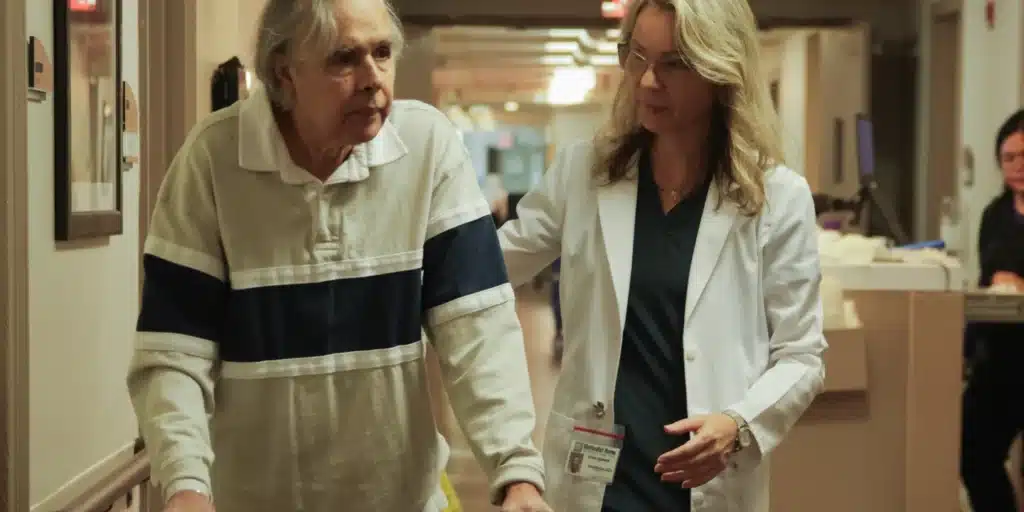
Maintaining Strength and Independence After Short-Term Rehabilitation
Completing a short-term rehabilitation stay is an important milestone, but it’s only one step in the recovery journey. Whether rehabilitation followed surgery, illness, injury, or a hospital stay, returning home marks the beginning of a new phase of healing—one that focuses on maintaining the progress achieved during therapy while building confidence in everyday life.
The first several weeks after discharge are especially important. It’s during this time that many patients establish the routines and habits that will help them remain active, independent, and engaged for months and years to come. While every person’s recovery looks different, small, consistent efforts often have the greatest long-term impact.
At the Methodist Home for Nursing and Rehabilitation, our rehabilitation team works closely with each patient to prepare them not only for a safe return home, but also for continued success after they leave our care.
Recovery Continues After You Leave Rehabilitation
Many people think rehabilitation ends the day they’re discharged, but healing doesn’t simply stop once therapy sessions are complete. In reality, the body continues adapting and strengthening long after a patient returns home.
Muscles continue rebuilding, balance continues improving, and everyday tasks often become easier with practice. Just as importantly, confidence grows as patients become more comfortable navigating their daily routines independently.
Recovery rarely follows a perfectly straight path. Some days may feel easier than others, and occasional setbacks are normal. What’s most important is maintaining healthy routines and staying committed to the goals established during rehabilitation. Consistency over time often leads to the greatest improvements.
Continue Moving Every Day
One of the best ways to maintain the gains made during rehabilitation is to continue moving every day. Regular physical activity helps preserve muscle strength, improve flexibility, support balance, and maintain cardiovascular health. Remaining active also helps reduce stiffness and can improve overall energy levels.
Daily movement doesn’t have to involve strenuous exercise. In fact, many patients benefit more from moderate activity performed consistently than from occasional intense workouts. Walking around the neighborhood, gardening, completing light household chores, or following a therapist’s home exercise program can all contribute to continued progress.
Activities may include:
- Walking outdoors or indoors
- Stretching exercises
- Home exercise routines provided by a therapist
- Chair exercises
- Balance and coordination activities
It’s equally important to avoid doing too much too soon. Following the recommendations provided by physicians and therapists allows patients to challenge themselves safely while reducing the risk of injury. As strength improves, activities can gradually become more challenging under the guidance of healthcare providers.
Continue Therapy When Recommended
For many patients, rehabilitation doesn’t end with their inpatient stay. Depending on individual needs, physicians may recommend outpatient physical, occupational, or speech therapy to continue building on the progress already achieved.
Outpatient therapy provides an opportunity to focus on specific goals that may require additional time, such as improving balance, regaining fine motor skills, strengthening muscles after joint replacement surgery, or continuing speech and swallowing exercises after a stroke.
Regular appointments also allow therapists to evaluate progress, modify exercise programs, and address concerns before they interfere with recovery. As patients regain strength and independence, therapy plans can be adjusted to reflect new goals and abilities.
Even patients who no longer require formal therapy should continue practicing the exercises and techniques they learned during rehabilitation whenever appropriate.
Support Recovery Through Healthy Daily Habits
Exercise is only one part of long-term recovery. The choices patients make each day also play an important role in supporting overall health and maintaining independence.
Eating a balanced diet that includes adequate protein helps the body repair tissues and maintain muscle mass. Drinking enough water supports circulation, energy levels, and overall bodily function. Getting consistent, quality sleep allows the body to recover from daily activity while helping improve concentration and mood.
Taking medications exactly as prescribed is equally important. Skipping doses or taking medications incorrectly can interfere with recovery and increase the risk of complications. Patients should also attend scheduled follow-up appointments with their primary care provider and specialists to ensure their recovery continues on the right track.
For individuals managing chronic conditions such as diabetes, heart disease, or respiratory illnesses, maintaining these conditions through regular medical care can significantly improve long-term outcomes and reduce the likelihood of future hospitalizations.
While no single healthy habit guarantees success, these daily choices work together to create a strong foundation for continued recovery.
Stay Socially and Mentally Engaged
Recovery isn’t only about physical healing. Emotional well-being and social connection play important roles in helping older adults maintain motivation, confidence, and a positive outlook.
After returning home, some individuals unintentionally become more isolated because they’re hesitant to leave the house or no longer participate in their usual activities. Over time, reduced social interaction can affect both emotional and physical health.
Staying connected with family members, friends, neighbors, and community organizations helps encourage continued activity while providing valuable emotional support. Attending religious services, participating in senior center programs, volunteering, joining hobby groups, or simply enjoying regular meals with loved ones can all contribute to a healthier recovery experience.
Mental stimulation is equally valuable. Reading, working puzzles, learning new hobbies, or engaging in meaningful conversations can help keep the mind active while supporting overall quality of life.
Make Safety Part of Everyday Life
Creating a safe home environment is one of the most effective ways to protect the progress made during rehabilitation. Even small adjustments can significantly reduce the risk of falls and other injuries that could interrupt recovery.
Patients should periodically evaluate their homes for potential hazards, such as loose rugs, electrical cords stretched across walkways, poor lighting, or clutter that creates obstacles. Installing grab bars in bathrooms, ensuring stairways have secure handrails, and wearing supportive footwear can also improve safety.
Assistive devices such as walkers and canes should continue to be used as recommended, even if patients begin feeling stronger. While it may be tempting to stop using them early, these devices often provide important stability while strength and balance continue improving.
It’s also helpful to remember that independence doesn’t always mean doing everything alone. Asking family members or friends for assistance with heavy lifting, climbing ladders, or other demanding household tasks can prevent unnecessary injuries while allowing recovery to continue safely.
Know When to Ask for Help
Although gradual improvement is expected, patients should remain aware of any changes that may signal a need for medical attention.
New pain, increasing weakness, dizziness, swelling, frequent falls, difficulty walking, or challenges completing everyday activities should never be ignored. Addressing these concerns early often allows healthcare providers to identify problems before they become more serious.
Open communication with physicians, therapists, and caregivers helps ensure patients receive the support they need throughout the recovery process. Seeking help is not a sign of failure—it’s an important part of protecting long-term health and independence.
Recovery Is Built One Day at a Time
Maintaining independence after rehabilitation isn’t about achieving perfection. Instead, it’s built through small decisions made consistently over time.
Every walk around the block, every home exercise completed, every healthy meal, and every follow-up appointment contributes to continued progress. While recovery may include occasional challenges, remaining committed to healthy routines helps patients continue building strength and confidence well beyond their rehabilitation stay.
Celebrating small victories along the way can provide encouragement and reinforce the progress that’s already been made. Over time, those everyday accomplishments often become the foundation for lasting independence.
Supporting Long-Term Success at the Methodist Home
At the Methodist Home for Nursing and Rehabilitation, our rehabilitation team is committed to helping patients succeed long after they leave our facility. Through individualized therapy plans, coordinated care, patient and family education, and comprehensive discharge planning, we help each person prepare for a safe transition home with the knowledge and confidence to continue moving forward.
Our goal isn’t simply to help patients recover during their stay—it’s to provide the tools, education, and support they need to maintain their independence and enjoy the highest possible quality of life after rehabilitation.
To learn more about our short-term rehabilitation services or to schedule a tour of our five-star rated facility, we invite you to contact the Methodist Home team today.