Heart health plays a central role in overall well-being, especially for older adults recovering from a cardiac event. Whether following a heart attack, surgery, or another cardiovascular condition, the path to recovery often requires more than rest alone. It requires guidance, structure, and a clear plan for long-term health.
Cardiac rehabilitation provides that support. Through a combination of monitored exercise, education, and lifestyle guidance, it helps patients restore strength, regain confidence, and adopt habits that promote a healthier future.
What Is Cardiac Rehabilitation?
Cardiac rehabilitation is a medically supervised program designed to support recovery after heart-related conditions or procedures. While many people associate rehabilitation with physical exercise, cardiac rehab takes a comprehensive approach that supports physical health, education, and long-term wellness.
Patients typically participate in structured exercise programs, receive guidance on heart-healthy living, and benefit from ongoing medical monitoring. The goal is not only to recover from a recent health event, but also to reduce the risk of future complications and improve overall quality of life.
Who Benefits from Cardiac Rehabilitation?
Cardiac rehabilitation can benefit individuals recovering from a range of conditions, including heart attacks, heart surgery such as bypass or valve procedures, and other cardiovascular events. It is also often recommended for patients managing chronic heart conditions.
Recovery looks different for every patient. Some individuals may feel ready to return to normal activities quickly, while others need more time and support to rebuild endurance. A structured rehabilitation program helps ensure that progress happens safely and steadily, with care plans tailored to each patient’s needs.
Recognizing the Need for Cardiac Rehabilitation
For many patients, the recommendation for cardiac rehabilitation comes directly from their physician following a hospital stay. However, the need for additional support often becomes clear when everyday activities feel more difficult than they once did.
Symptoms such as fatigue, shortness of breath, or reduced endurance can make it challenging to return to normal routines safely. A structured rehabilitation program provides a clear path forward, helping patients regain strength while reducing the risk of complications or setbacks.
Building Strength Safely Through Supervised Exercise
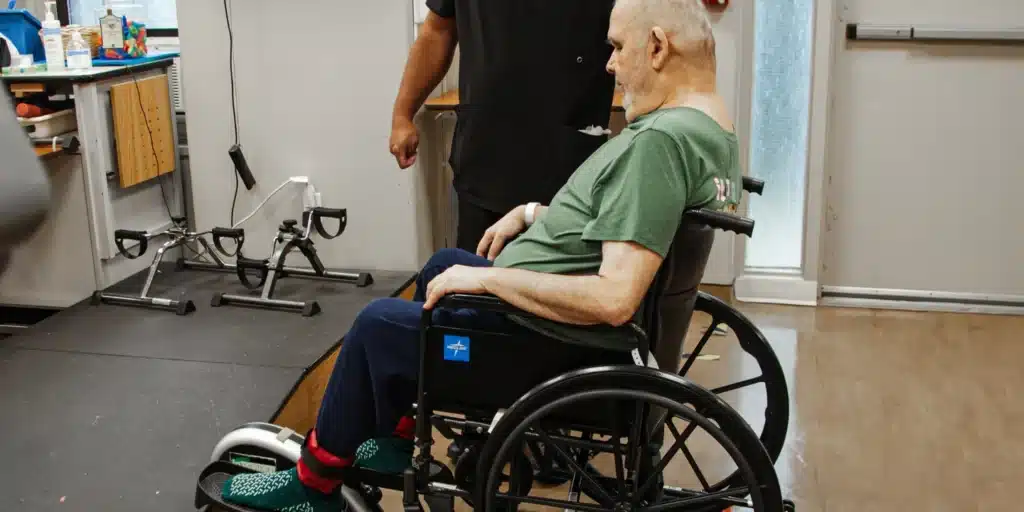
Exercise is a key component of cardiac rehabilitation, but it must be approached carefully. Supervised programs allow patients to gradually improve endurance, circulation, and muscle strength while being closely monitored by healthcare professionals.
Therapists guide patients through activities tailored to their abilities, helping improve mobility, balance, and stamina over time. This approach reduces the risk of overexertion and builds confidence throughout the recovery process.
As progress continues, these improvements carry over into everyday activities, making it easier to walk, climb stairs, and participate in daily routines with greater ease.
Heart-Healthy Nutrition and Lifestyle Choices
Diet and lifestyle play a significant role in heart health. In a rehabilitation setting, patients receive guidance on making choices that support cardiovascular wellness.
A balanced diet focused on whole foods can help manage cholesterol levels, blood pressure, and overall heart function. This often includes reducing sodium intake, limiting saturated and trans fats, and increasing consumption of fruits, vegetables, and whole grains.
Maintaining a healthy weight is another important factor, and even small, consistent changes can have a meaningful impact over time.
Patients are also encouraged to limit habits that can negatively affect heart health. Smoking, for example, significantly increases cardiovascular risk, while excessive alcohol consumption can place added strain on the heart. Gradual, sustainable changes help support long-term wellness.
Managing Stress and Emotional Well-Being
Recovery from a cardiac event can be both physically and emotionally challenging. It is common for patients to experience stress, anxiety, or uncertainty about the future.
Cardiac rehabilitation recognizes the importance of emotional well-being as part of overall health. Patients are encouraged to develop strategies for managing stress, whether through relaxation techniques, social engagement, or simply taking time to rest and recharge.
Support from caregivers, family members, and healthcare providers also plays an important role. Feeling connected and encouraged can improve motivation and help patients stay engaged in their recovery. Spending time outdoors, engaging in light activity, and connecting with others can further support emotional well-being.
The Role of Daily Activity and Movement
Outside of structured therapy sessions, daily movement is essential for continued progress. Simple activities such as walking, stretching, and light movement throughout the day help reinforce the gains made during rehabilitation.
Consistency is key. Establishing a routine that includes regular movement can help maintain strength and reduce the risk of setbacks. Over time, these habits become part of everyday life, supporting continued health and independence.
The Benefits of a Coordinated Rehabilitation Environment
While some aspects of recovery can take place at home, a coordinated care environment offers additional support that can make a meaningful difference. Skilled nursing facilities provide access to medical care, therapy services, and monitoring to help ensure recovery stays on track.
With 24/7 nursing support and coordinated care, patients receive assistance when needed and have immediate access to medical attention if concerns arise. This level of care provides peace of mind for both patients and their families.
A consistent environment also helps patients stay engaged with therapy and reinforces healthy habits during an important stage of recovery.
What to Expect During Cardiac Rehabilitation
Understanding what to expect can help patients and families feel more prepared. A typical day in a rehabilitation setting includes a combination of therapy sessions, monitored activity, and time for rest and recovery.
Patients work with therapists on exercises designed to improve strength and endurance, while nursing staff monitor vital signs and overall health. Education is also an important part of the process, including guidance on heart-healthy habits, medication management, and how to continue progress after returning home.
This supportive routine helps patients build confidence over time and feel more prepared to transition back into daily life.
Cardiac Rehabilitation at the Methodist Home
At the Methodist Home for Nursing and Rehabilitation, cardiac rehabilitation is part of a comprehensive approach to short-term recovery. Patients benefit from a multidisciplinary care team that includes physical, occupational, and respiratory therapists, along with skilled nursing professionals.
Each patient receives a personalized care plan tailored to their needs and goals. Therapy sessions are coordinated with medical care to ensure a balanced and effective recovery process.
The environment also supports healing. With private rooms, a fully renovated facility, and access to outdoor spaces, patients have opportunities to relax, stay engaged, and participate in activities that support both physical and emotional well-being.
This integrated approach allows patients to focus on recovery while building the strength and confidence needed to return home safely.
Preparing for Long-Term Heart Health
Cardiac rehabilitation also prepares patients for life after discharge. Patients leave with a better understanding of their health, along with the tools and knowledge needed to maintain progress at home.
From exercise routines to dietary choices and stress management techniques, these habits help reduce the risk of future heart issues and support long-term wellness.
Supporting Recovery and a Healthier Future
Recovering from a cardiac event can feel overwhelming, but with the right guidance, it can also be an opportunity to build a healthier lifestyle. Cardiac rehabilitation provides a structured path forward, helping patients regain strength while learning how to care for their heart over time.
At the Methodist Home for Nursing and Rehabilitation, we are committed to helping patients recover with confidence. If you or a loved one is preparing for short-term rehabilitation, we invite you to learn more about how our team can support your recovery and long-term heart health.