How to Create a Safe Environment for Seniors at Home
For many older adults, home represents comfort, independence, and familiarity. Whether someone is aging in place or recovering from a recent health event, creating a safe environment can make a meaningful difference in daily life and long-term well-being.
While it’s impossible to eliminate every risk, thoughtful changes around the home can help reduce falls, support mobility, and make everyday activities easier and more comfortable. Small adjustments often have a big impact.
At the Methodist Home for Nursing and Rehabilitation, helping patients return home safely is one of the primary goals of short-term rehabilitation. Therapy and nursing care focus not only on recovery during a stay, but also on preparing patients for success after discharge.
Here are some practical ways to create a safer home environment for seniors.
Reduce Trip Hazards Throughout the Home
Falls are one of the most common causes of injury among older adults, and many happen in familiar spaces during routine activities.
One of the simplest places to start is removing common obstacles and creating clear pathways throughout the home.
Areas to evaluate include:
- Loose rugs or unsecured floor mats
- Electrical cords crossing walkways
- Clutter near furniture or doorways
- Narrow walking paths
- Uneven flooring or raised thresholds
Even minor changes—such as securing a rug or rearranging furniture—can improve confidence and make movement feel easier.
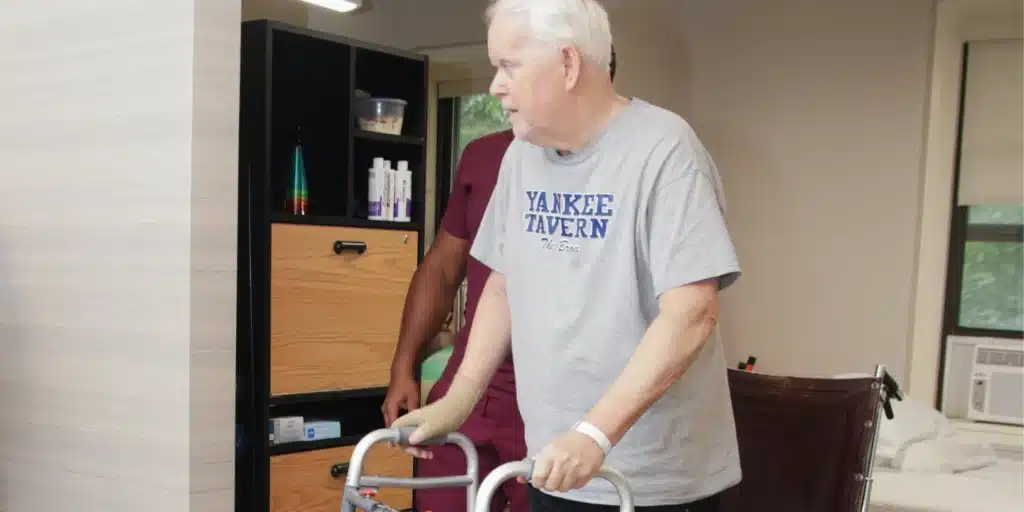
If a senior uses a walker, wheelchair, or cane, walk through the home from their perspective and identify areas where turning, reaching, or navigating may be difficult.
Improve Bathroom Safety
Bathrooms are one of the highest-risk areas for slips and falls due to water, hard surfaces, and transitions in and out of showers or tubs.
Making the bathroom safer often involves adding supportive features rather than making major renovations.
Helpful modifications may include:
- Grab bars near toilets and inside showers
- A shower chair or transfer bench
- Handheld shower heads
- Non-slip flooring or bath mats
- Raised toilet seats if needed
- Good lighting, especially in bathrooms used overnight
These updates can help preserve independence while reducing the risk of injury.
Make Everyday Essentials Easier to Reach
Repeated bending, climbing, and stretching can increase the likelihood of falls and strain.
Take time to evaluate where commonly used items are stored.
Kitchen items, clothing, medications, and personal care products should ideally be kept between waist and shoulder height whenever possible.
Simple adjustments may include:
- Moving dishes from upper cabinets
- Relocating cleaning supplies
- Keeping chargers and phones nearby
- Organizing medications in one accessible location
These changes reduce unnecessary effort and help make daily routines more manageable.
Consider Accessibility Improvements
As mobility needs change, additional home modifications may help support independence.
Not every home requires major construction, but certain updates can make transitions safer and more comfortable.
Depending on the situation, families may consider:
- Ramps at entrances
- Handrails on both sides of stairways
- Threshold removal or smoothing transitions
- Wider pathways for walkers or wheelchairs
- Lever-style door handles instead of round knobs
Occupational therapists often help identify which changes would be most beneficial based on daily routines and mobility goals.
Build a Support System
Creating a safe home environment extends beyond physical modifications.
Recovery and healthy aging are often easier when support systems are in place.
Family members, neighbors, and community services can all help reduce stress and support independence. Having trusted people available to assist with occasional tasks can also provide peace of mind for both seniors and their loved ones.
Examples of support services may include:
- Grocery delivery
- Meals on Wheels programs or prepared meal services
- Housekeeping assistance
- Transportation support
- Medication reminders
- Lawn care or seasonal maintenance
Receiving help with certain tasks doesn’t mean giving up independence—it often helps preserve it.
Adjusting the Home After a Hospital or Rehabilitation Stay
A home that worked well before an illness, injury, or surgery may feel different afterward.
Temporary changes in strength, balance, endurance, or energy levels can make familiar routines more difficult during recovery.
Before returning home, it can be helpful to walk through the home with fresh eyes and think through daily activities. Consider how someone will move from the bedroom to the bathroom, prepare meals, manage laundry, or safely enter and exit the home.
Some families choose to temporarily rearrange living spaces during recovery by moving a bedroom to the main floor, creating a comfortable resting area, or placing frequently used items nearby. These adjustments do not need to be permanent—but they can make recovery safer and less stressful while strength and confidence continue to improve.
Planning ahead before discharge can help reduce unexpected challenges and allow patients to focus their energy on healing.
Continue Prioritizing Strength and Mobility
A safe environment is important, but maintaining strength and mobility also plays a major role in preventing future injuries.
After a short-term rehabilitation stay, continuing regular movement and exercise can help seniors maintain the progress they’ve worked hard to achieve.
Depending on individual needs, this may include:
- Outpatient therapy services
- Walking programs
- Community fitness classes
- Chair yoga or stretching
- Regular visits to a local gym or wellness center
Staying active supports balance, endurance, and confidence during everyday activities.
Patients who continue practicing the skills they developed during rehabilitation are often better equipped to remain independent over time.
Don’t Overlook Lighting and Visibility
Good lighting is one of the most overlooked aspects of home safety. Dim hallways, dark staircases, and poorly lit entrances can make navigation more difficult.
Helpful improvements include:
- Brighter overhead lighting
- Motion-sensor lights
- Night lights in bedrooms and bathrooms
- Easy access to light switches
- Curtains or blinds that reduce glare
Vision changes are common with aging, and proper lighting supports safer movement throughout the day.
Take a Room-by-Room Approach
Making a home safer can feel overwhelming if approached all at once. Instead, consider evaluating one room at a time.
Bedrooms should allow easy access to the bed and bathroom. Kitchens should keep frequently used items within reach. Living spaces should provide open walking paths and stable seating options.
Breaking larger projects into smaller steps can make home safety updates feel more manageable and allow improvements to happen gradually over time.
Taking a gradual approach can also help families prioritize the areas that pose the greatest safety concerns first.
Plan Ahead for Emergencies
Preparation can provide peace of mind for both seniors and their families.
Consider creating a plan that includes:
- Emergency contact information posted visibly
- Accessible phone charging locations
- Medication lists kept up to date
- Medical alert systems if appropriate
- Backup support for severe weather or power outages
Having systems in place can reduce anxiety and make responding to unexpected situations easier.
Technology can also play a helpful role in supporting independence at home. Devices such as video doorbells, medication reminder apps, smart speakers, and emergency response systems may offer additional peace of mind for both seniors and family members. Even simple tools like scheduled phone check-ins can help create a greater sense of security while maintaining independence.
Preparing for a Safe Return Home After Rehabilitation
For individuals recovering after surgery, illness, or injury, preparing the home before discharge can make the transition smoother.
At the Methodist Home, rehabilitation teams work with patients and families to help identify strategies that support safe mobility and daily living once patients transition back to their normal environment. Physical, occupational, and speech therapists help patients build skills and confidence while also considering how those improvements translate into everyday life.
The goal is always to help patients recover successfully and return home with the tools they need to continue progressing.
Supporting Independence at Every Stage
Creating a safe home environment doesn’t require perfection or major renovations. Thoughtful changes, ongoing movement, and the right support systems can make everyday life safer and more comfortable.
At the Methodist Home for Nursing and Rehabilitation, we believe recovery extends beyond a patient’s stay with us. Through coordinated short-term rehabilitation services and personalized care plans, we help patients prepare not only to return home—but to thrive there.
If you or a loved one is preparing for rehabilitation, recovering from a recent health event, or exploring ways to age safely at home, we invite you to learn more about our short-term rehabilitation services and how our team supports recovery every step of the way.