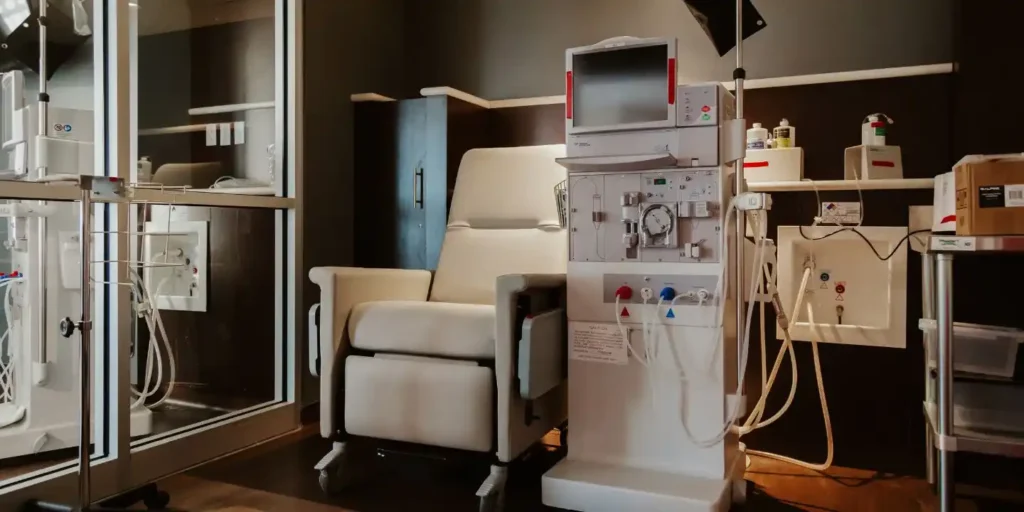
Living with dialysis requires adjustments, but it doesn’t mean putting your life on hold. Many people receiving regular dialysis treatments continue enjoying hobbies, spending time with loved ones, staying physically active, and participating in the activities that matter most to them.
Managing kidney disease involves more than attending dialysis appointments. Nutrition, physical activity, medication management, emotional well-being, and everyday routines all play important roles in maintaining your health.
While every patient’s needs are different, developing healthy habits and working closely with your healthcare team can make daily life with dialysis more manageable.
Establish a Routine That Works for You
Dialysis treatments are an important part of your weekly schedule, but they don’t have to define your entire routine.
For patients receiving in-center hemodialysis, treatments are commonly scheduled three times per week, with each session lasting several hours. Planning around these appointments can help create a sense of consistency while leaving time for other activities.
Consider how you typically feel before and after dialysis. Some patients experience fatigue following treatment, while others feel well enough to continue with their usual activities. You may find it helpful to schedule errands, appointments, exercise, and social activities during times when your energy levels are generally higher.
Maintaining a regular sleep schedule, allowing time for rest, and preparing for appointments in advance can also make your week feel more manageable.
Most importantly, attend your scheduled dialysis treatments and follow your prescribed treatment plan. If your schedule becomes difficult to manage, speak with your dialysis team rather than missing or shortening appointments.
Follow a Kidney-Friendly Nutrition Plan
Eating well is an important part of staying healthy while receiving dialysis.
Because the kidneys can no longer remove certain waste products and excess minerals effectively, patients may need to adjust their diets to help maintain a healthy balance in the body.
Depending on your individual needs, your healthcare team may recommend monitoring your intake of sodium, potassium, phosphorus, protein, and fluids.
For example, limiting sodium can help reduce thirst and prevent excess fluid buildup. Protein is also important for maintaining muscle strength and supporting overall health, although the appropriate amount varies based on your medical condition and treatment.
Rather than following a generic kidney diet, work with a renal dietitian who can help you make food choices based on your laboratory results, medications, and nutritional needs.
A personalized nutrition plan can also account for your favorite foods, cultural preferences, and other health conditions, making healthy eating easier to maintain over time.
Pay Attention to Fluid Intake
Managing fluid intake is another important consideration for many patients receiving hemodialysis.
When the kidneys are unable to remove enough fluid, excess amounts can accumulate between treatments. This may contribute to swelling, elevated blood pressure, shortness of breath, and additional strain on the heart.
Your healthcare team will help determine how much fluid is appropriate for you based on your remaining kidney function, treatment schedule, and overall health.
Remember that fluids aren’t limited to beverages. Foods such as soup, gelatin, ice cream, and other items that become liquid at room temperature may also count toward your daily allowance.
If you’re having difficulty managing thirst or staying within your recommended fluid limits, talk with your dialysis team or dietitian. They can suggest practical strategies that fit your routine.
Stay Physically Active Within Your Abilities
Regular movement can help support muscle strength, balance, cardiovascular health, and overall well-being.
For people receiving dialysis, physical activity may also help improve endurance, maintain independence, and support emotional health.
Exercise doesn’t have to involve strenuous workouts. Depending on your abilities, walking, gentle stretching, chair exercises, or light strength training may be appropriate.
The most important consideration is choosing activities that are safe for your health and energy level.
Before starting a new exercise routine, speak with your healthcare provider. This is especially important if you have heart disease, mobility limitations, or other medical conditions.
If weakness, balance difficulties, or reduced endurance make everyday activities challenging, physical or occupational therapy may help you develop strength and confidence while working toward realistic goals.
Recognize and Manage Fatigue
Feeling tired is a common experience for people receiving dialysis, but the amount of fatigue can vary from person to person.
Some patients feel especially tired immediately after treatment, while others experience low energy throughout the day. Factors such as anemia, sleep difficulties, changes in blood pressure, and other medical conditions may contribute.
Pay attention to when fatigue occurs and whether you notice patterns related to your dialysis schedule.
You may benefit from spreading demanding activities throughout the week, taking short rest periods when needed, and prioritizing tasks during times when you feel your best.
However, persistent or worsening fatigue shouldn’t simply be accepted as an unavoidable part of dialysis. Let your healthcare team know if tiredness is interfering with your daily activities. They can evaluate possible causes and recommend appropriate adjustments.
Protect Your Dialysis Access
For patients receiving hemodialysis, vascular access provides the connection needed to remove and return blood during treatment.
Whether you have a fistula, graft, or catheter, proper care is essential to reducing complications and keeping treatments running safely.
Your dialysis team will provide specific instructions based on your type of access. General precautions may include keeping the area clean, checking for changes, and avoiding unnecessary pressure or injury.
Patients with a fistula or graft should avoid blood pressure measurements and blood draws in the access arm unless specifically directed otherwise by their healthcare team.
Report redness, swelling, drainage, unusual pain, or other concerning changes promptly. If you have a fistula or graft and can no longer feel its usual vibration, contact your dialysis team immediately. Learning how to care for your access is an important part of protecting your health between treatments.
Make Emotional Well-Being a Priority
Living with a chronic medical condition can affect more than your physical health.
Dialysis schedules, dietary restrictions, fatigue, and ongoing medical appointments may sometimes feel frustrating or overwhelming. It’s normal to experience a range of emotions while adjusting to these responsibilities.
Maintaining relationships with family and friends can provide valuable encouragement and support. Continue participating in hobbies, social gatherings, religious activities, or community events whenever possible. Even small activities that bring enjoyment to your day can contribute to a greater sense of balance.
If you’re experiencing ongoing sadness, anxiety, or difficulty coping, consider speaking with a social worker, counselor, or another member of your healthcare team. Emotional health deserves the same attention as physical health, and support is available.
Stay Involved in Your Healthcare
One of the most valuable things you can do while living with dialysis is remain actively involved in your care.
Keep track of your medications, attend recommended medical appointments, and ask questions when something is unclear.
Your dialysis team regularly monitors laboratory results, blood pressure, fluid balance, and other indicators of your health. Understanding what these measurements mean can help you recognize progress and participate in decisions about your treatment.
It’s also important to communicate changes in how you’re feeling. New symptoms, appetite changes, difficulty sleeping, or concerns about medications may provide important information about your health.
Before taking over-the-counter medications, vitamins, or herbal supplements, check with your healthcare provider. Some products may be unsafe for people with kidney disease.
Building an open relationship with your healthcare team helps ensure your treatment continues to reflect your needs.
Living Well with Ongoing Dialysis
Dialysis is an ongoing commitment, but it is only one part of your life.
With consistent treatment, appropriate nutrition, regular activity, emotional support, and attention to your overall health, you can continue working toward the activities and goals that are important to you.
At the Methodist Home for Nursing and Rehabilitation, we understand the importance of accessible, individualized dialysis care. Through our partnership with The Rogosin Institute, we offer inpatient and outpatient hemodialysis services to support patients with ongoing treatment needs.
If you or a loved one is looking for dialysis services in the Bronx, contact the Methodist Home to learn more about our dialysis program and available care options.
Frequently Asked Questions
Can I live an active life while receiving dialysis?
Yes. Many people receiving dialysis continue participating in exercise, hobbies, family activities, and other interests. Your activity level will depend on your health, energy, and individual abilities. Talk with your healthcare provider about which activities are appropriate for you.
What foods should I avoid while on dialysis?
Dietary recommendations vary depending on your laboratory results, treatment schedule, and medical needs. Some patients need to limit foods high in sodium, potassium, or phosphorus, while others have different requirements. A renal dietitian can help you develop an eating plan that provides appropriate nutrition without unnecessary restrictions.
Why do I feel tired after dialysis?
Fatigue after dialysis may be related to changes in blood pressure, fluid removal, anemia, or other health factors. Some patients need additional rest after treatment. If fatigue is severe, persistent, or interfering with your daily routine, discuss it with your dialysis team.
How can I protect my health between dialysis treatments?
Attend all scheduled treatments, follow your recommended nutrition and fluid plan, take medications as prescribed, care for your dialysis access, and communicate changes in your health to your care team. Staying physically active within your abilities and maintaining regular medical appointments can also support your well-being.
Can physical therapy help someone who receives dialysis?
Yes. Physical therapy may benefit dialysis patients who experience weakness, reduced endurance, balance difficulties, or mobility limitations. A therapist can develop an individualized exercise program that considers your medical condition, dialysis schedule, and functional goals.