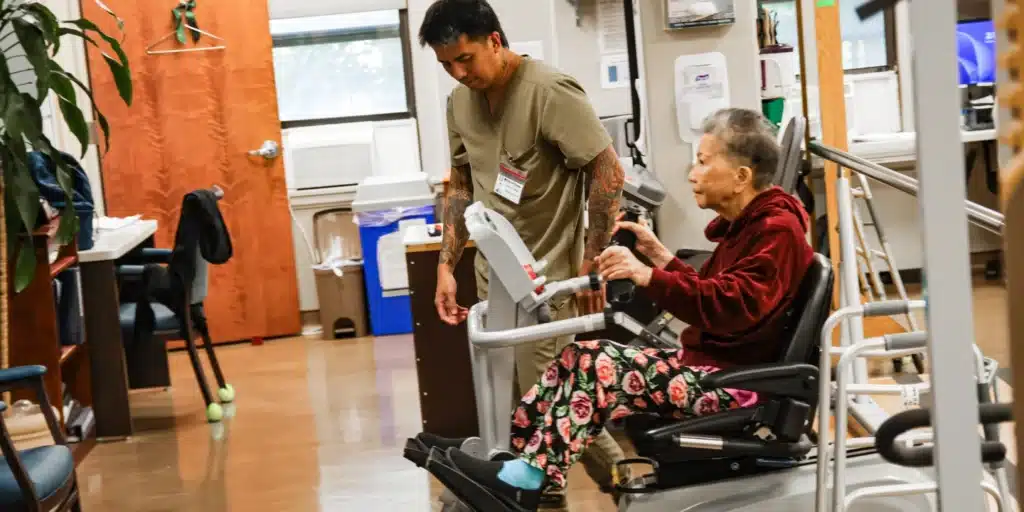
Our Recommended Approaches for Managing Chronic Pain in Seniors
Living with chronic pain can make everyday activities more difficult and affect nearly every aspect of life—from mobility and sleep to mood and independence. While some discomfort may become more common with age, persistent pain should not simply be accepted as an inevitable part of getting older.
For many older adults, effective pain management involves a combination of approaches rather than relying on a single solution. Movement, therapy, lifestyle habits, medical oversight, and supportive environments can all play an important role in improving comfort and quality of life.
At the Methodist Home for Nursing and Rehabilitation, pain management is approached through coordinated, interdisciplinary care designed to help patients stay active, comfortable, and engaged throughout recovery and daily life.
Understanding Chronic Pain in Older Adults
Chronic pain is generally defined as pain that lasts for several weeks or months and may continue beyond the expected healing period. Seniors may experience chronic pain for many reasons, including arthritis, prior injuries, nerve conditions, respiratory illness, surgical recovery, reduced mobility, or other ongoing medical concerns.
Pain affects everyone differently. For some individuals, it appears as stiffness or soreness. For others, it may feel sharp, burning, aching, or exhausting over time.
Because chronic pain can influence energy levels, mood, sleep, and mobility, effective management often requires a comprehensive approach.
Staying Active Through Safe Movement
One of the most effective long-term approaches to managing chronic pain is gentle, consistent movement.
It may feel counterintuitive to move when discomfort is present, but inactivity can sometimes contribute to increased stiffness, muscle weakness, and reduced flexibility.
Activities that are often recommended include:
- Walking programs
- Chair exercises
- Guided stretching
- Range-of-motion activities
- Low-impact strengthening exercises
- Breathing and relaxation exercises
At the Methodist Home, residents and patients are encouraged to participate in recreation and wellness opportunities that match their abilities and comfort levels. Group activities and gentle movement programs can help support circulation, flexibility, and overall comfort.
In addition to the physical benefits, social engagement can also influence how pain is experienced. Participating in group activities, spending time outdoors, or connecting with others may help shift attention away from discomfort while improving overall mood and quality of life.
The Role of Physical and Occupational Therapy
Therapy services are often an important part of pain management, especially for patients recovering after illness, injury, or surgery.
Physical therapists work with patients to improve strength, mobility, posture, and body mechanics that may reduce strain and discomfort during movement.
Occupational therapists focus on helping patients perform everyday tasks more comfortably and safely. They may recommend adaptive techniques, positioning strategies, or equipment modifications that reduce unnecessary stress on joints and muscles.
Therapy may also include targeted exercises designed to improve endurance and support long-term function.
Because progress happens gradually, therapy plans are individualized and adjusted as recovery evolves.
Using Heat, Cold, and Therapeutic Modalities
Pain management is not always dependent on medication. Many patients benefit from additional supportive therapies that focus on comfort and symptom relief.
Examples may include:
- Heat therapy to relax muscles and reduce stiffness
- Ice therapy to decrease swelling and inflammation
- TENS (transcutaneous electrical nerve stimulation) therapy when appropriate
- Guided breathing and relaxation techniques
- Gentle positioning adjustments
These approaches may be incorporated into a broader care plan depending on individual needs and medical recommendations. While these therapies may not eliminate pain entirely, they can often help patients participate more comfortably in rehabilitation and daily activities.
Alternating activity with rest periods can also help prevent overexertion while supporting continued progress.
Medication Management as Part of Comprehensive Care
While non-drug approaches are valuable, medication can still play an important role in managing chronic pain safely and effectively.
At the Methodist Home, medication management is supported 24/7 through nursing staff and overseeing physicians who work together to monitor symptoms, evaluate effectiveness, and make adjustments when needed.
The goal is not simply to treat pain—it is to support comfort while helping patients remain alert, active, and engaged in therapy and daily life.
Medication management may involve:
- Reviewing timing and dosage
- Monitoring side effects
- Coordinating medications with therapy schedules
- Evaluating overall response to treatment
This collaborative approach helps ensure treatment plans remain aligned with each patient’s overall health and rehabilitation goals.
Supporting Comfort Through Respiratory and Speech Therapy
Managing chronic pain often involves addressing other factors that can affect overall comfort and quality of life.
Respiratory therapists may help patients whose pain affects breathing patterns, endurance, or respiratory function. Breathing exercises and supportive techniques can improve comfort while reducing tension throughout the body.
Speech therapists may also support patients recovering from neurological conditions or illness by addressing swallowing, communication, and cognitive challenges that affect overall quality of life.
These services work alongside nursing and rehabilitation teams to provide a more complete approach to wellness.
The Importance of Rest, Nutrition, and Hydration
Managing chronic pain involves supporting the body’s ability to recover and function efficiently.
Simple daily habits can have a meaningful impact.
Helpful strategies include:
- Drinking adequate water throughout the day
- Eating balanced meals with protein and nutrient-rich foods
- Maintaining consistent meal schedules
- Allowing time for rest between activities
- Creating routines that support healthy sleep
Nutrition and hydration support energy levels, muscle recovery, and overall comfort.
At the Methodist Home, dietary accommodations are coordinated as part of each patient’s individualized care plan.
Finding the Right Balance Between Activity and Rest
When living with chronic pain, it can be tempting to either push through discomfort or avoid activity altogether. In reality, many seniors benefit most from finding a balanced approach that includes movement, rest, and realistic expectations.
Recovery and pain management are rarely linear. Some days may feel easier than others, and that’s normal. Setting manageable goals and celebrating small improvements can help patients stay motivated without becoming discouraged.
Care teams often encourage patients to break larger tasks into smaller steps, take scheduled rest breaks, and gradually build endurance over time. This pacing strategy allows individuals to remain active while avoiding unnecessary strain that may increase discomfort.
At the Methodist Home, rehabilitation plans are designed with these principles in mind. Therapy schedules, nursing support, and recreational opportunities work together to help patients maintain progress while respecting individual comfort levels and energy needs.
Creating a Comfortable Environment
Physical surroundings can also influence comfort. At the Methodist Home, all residents and patients enjoy private rooms with private bathrooms. This setup supports privacy, convenience, and safety while creating a more comfortable environment for recovery and daily living.
Having a comfortable place to relax between therapy sessions allows patients to recharge and focus on progress at their own pace.
Environmental considerations such as supportive seating, accessible layouts, and opportunities for quiet time can contribute to a more positive rehabilitation experience.
Managing Pain Through Interdisciplinary Care
Chronic pain rarely has a single solution. That’s why the Methodist Home emphasizes interdisciplinary collaboration across nursing, physicians, rehabilitation specialists, recreation staff, and other care providers.
Together, the team works to identify strategies that help patients remain active, comfortable, and engaged in meaningful daily activities.
Rather than focusing only on reducing symptoms, care plans prioritize preserving mobility, supporting independence, and improving overall quality of life.
Supporting Comfort and Quality of Life
Living with chronic pain can feel frustrating, but meaningful improvements are possible through a thoughtful and balanced approach.
By combining movement, therapy, lifestyle habits, supportive treatments, and medical oversight, seniors can often improve comfort while maintaining independence and continuing to participate in activities they enjoy.
At the Methodist Home for Nursing and Rehabilitation, our interdisciplinary team works together to help patients manage pain while supporting recovery, wellness, and long-term quality of life.
If you or a loved one is exploring rehabilitation or skilled nursing services, we invite you to learn more about how our team supports comfort and healing every step of the way.