Occupational therapy (OT) plays a vital role in short term rehabilitation, helping patients rebuild the skills they need to manage daily life safely and confidently. Whether someone is recovering from surgery, illness, or an injury, occupational therapists focus on the everyday activities that matter most – from getting dressed and preparing meals to managing household tasks and maintaining fine motor skills.
At the Methodist Home for Nursing and Rehabilitation, our occupational therapy team supports patients of all ages in regaining confidence and independence, so they can safely return to the routines of daily life.
What Is Occupational Therapy?
Occupational therapy is a specialized type of rehabilitation that focuses on helping individuals perform meaningful activities – or “occupations” – of daily living. These activities include personal care, household management, work tasks, and leisure pursuits. OT is not just about getting stronger; it’s about making everyday tasks safer and more manageable in real-life settings.
At its core, occupational therapy is practical, functional, and rooted in each patient’s goals.
Strengthening Skills for Daily Living
After an injury or surgery, ordinary tasks like buttoning a shirt, preparing food, or getting in and out of a chair can become challenging. Occupational therapists work directly with patients to assess where challenges exist and develop personalized strategies to overcome them.
For example:
- Fine motor exercises can improve hand coordination for tasks like writing, eating with utensils, or buttoning clothing.
- Adaptive techniques can make everyday tasks more manageable, such as using specialized tools for opening jars or gripping utensils more easily.
- Balance and coordination training supports safer mobility when reaching, bending, or stepping.
This hands-on approach helps patients regain confidence in their ability to care for themselves.
Relearning Skills in the Context of Daily Routines
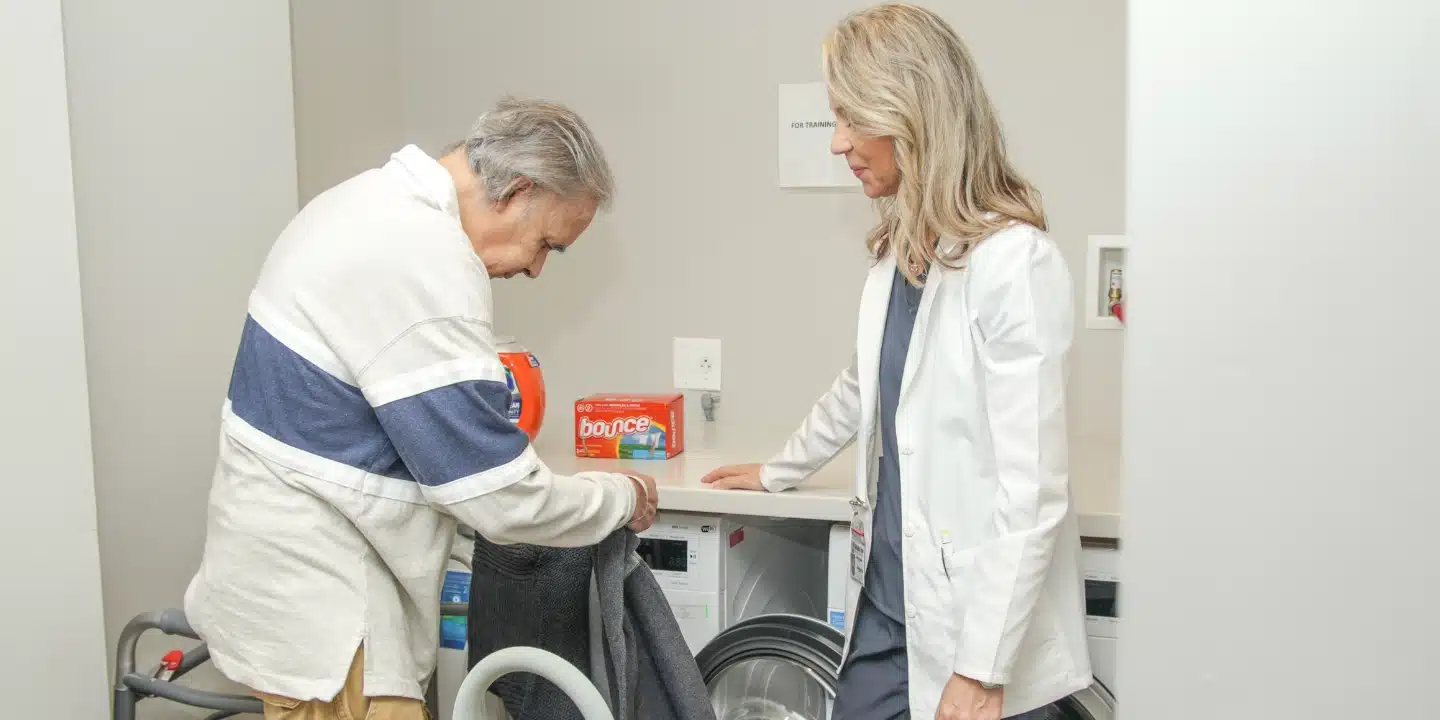
Occupational therapy goes beyond exercises – it’s about applying those skills to real-life tasks. Therapists often work with patients in simulated household environments to practice activities like folding laundry, preparing simple meals, or organizing personal items. This type of skilled training bridges the gap between therapy sessions and returning home.
For patients whose routines have been disrupted due to illness or injury, this practical approach is key to regaining independence and easing the transition back into daily living.
Addressing Cognitive and Memory Challenges
Occupational therapy isn’t solely physical – it also supports cognitive skills that affect daily life. Many patients benefit from strategies that improve memory recall, organization, sequencing tasks, and attention. These cognitive supports are especially helpful for individuals recovering from stroke, brain injuries, or illnesses that can impact thinking and planning skills.
Therapists may use task breakdowns, visual prompts, or memory aids to help patients complete multistep activities with greater ease and clarity.
Personalized, Patient-Centered Care
Every patient’s rehabilitation plan is tailored to their specific needs. Our therapists work closely with each patient and the broader care team to ensure therapy goals align with personal priorities – whether that’s dressing independently, cooking a favorite meal, or safely managing daily errands at home.
This coordinated approach also ensures that progress in therapy is integrated with nursing care, physical therapy, speech therapy, and other services as part of a comprehensive plan.
Supporting Independence at the Methodist Home
Occupational therapy is a powerful tool for helping patients regain control of their daily lives. At the Methodist Home for Nursing and Rehabilitation, patients benefit from a dedicated OT team that blends clinical expertise with practical, real-world strategies.
From private rooms with individualized care plans to a supportive environment where daily achievements are celebrated, we’re committed to helping every patient rebuild skills and confidence on the path to recovery.
If you or a loved one is preparing for short term rehabilitation and would like to learn more about how occupational therapy can support independence, we invite you to contact us. Our team is here to help you thrive – one step at a time.