Recovering from surgery, illness, or injury is challenging enough on its own. For patients who also require regular dialysis treatments, coordinating multiple medical appointments can add another layer of complexity during an already demanding time.
Traveling between a rehabilitation facility and an outside dialysis center often means additional transportation, changes to therapy schedules, and more time away from rest and recovery. For many patients, these extra demands can contribute to fatigue and make the rehabilitation process more difficult.
Receiving rehabilitation and dialysis in the same location helps simplify the recovery process. With multiple services available under one roof, patients can spend less time coordinating appointments and more time focusing on healing while their healthcare team works together to support their recovery.
At the Methodist Home for Nursing and Rehabilitation, our onsite dialysis program complements our comprehensive short-term rehabilitation services, helping patients recover safely, comfortably, and with greater confidence.
Why Coordinated Care Matters
Successful rehabilitation depends on more than therapy sessions alone. Patients often receive care from physicians, nurses, therapists, dietitians, and other healthcare professionals, each playing an important role in the recovery process.
When dialysis treatments take place at the same facility where rehabilitation is provided, communication between members of the care team becomes much more seamless. Therapists understand when dialysis treatments are scheduled, nurses can monitor patients before and after treatments, and the team can adjust care plans based on how patients are feeling each day.
Instead of coordinating care between multiple facilities, patients benefit from a collaborative team that shares information, monitors progress, and works toward the same recovery goals.
Reducing the Physical Demands of Recovery
Dialysis is a life-sustaining treatment, but it can also leave patients feeling tired after a session. Adding transportation to and from an outside dialysis center may increase that fatigue and reduce the energy patients have available for rehabilitation.
Receiving dialysis onsite eliminates the need for these additional trips. Patients remain in a familiar environment, allowing them to conserve energy for therapy sessions and recovery.
Reducing unnecessary travel also means less time spent waiting for transportation and more time available for rest, meals, therapy, or visits with loved ones.
While every patient’s experience is different, simplifying the daily routine often makes recovery feel more manageable.
Supporting Consistent Rehabilitation
Consistency plays an important role in successful rehabilitation. Regular participation in physical, occupational, speech, or respiratory therapy allows patients to steadily rebuild strength, improve mobility, and regain confidence.
When dialysis and rehabilitation are coordinated within the same facility, scheduling becomes much easier. Therapy sessions can often be planned around dialysis treatments, helping patients stay engaged in therapy while receiving the medical care they need.
This flexibility also allows therapists to adjust treatment intensity based on how patients are feeling before or after dialysis. Some days may call for more challenging exercises, while others may focus on maintaining mobility and endurance. Individualized scheduling helps patients continue progressing safely throughout their rehabilitation stay.
A More Comfortable Experience for Patients
Recovering in an unfamiliar environment can already feel overwhelming. Requiring transportation to multiple healthcare facilities may add unnecessary stress for both patients and their families.
Receiving rehabilitation and dialysis in one location creates a more consistent daily routine. Patients become familiar with their surroundings, recognize the healthcare professionals caring for them, and spend less time navigating appointments in different places.
Establishing a familiar routine often helps patients feel more comfortable and confident throughout their rehabilitation stay. Knowing that therapy, nursing care, dialysis, meals, and medical support are all available in one place allows patients to focus their attention where it belongs—on healing.
Benefits for Families and Caregivers
The advantages of receiving care in one location extend beyond the patient.
Family members often juggle work schedules, caregiving responsibilities, and transportation while supporting a loved one’s recovery. Coordinating appointments at multiple facilities can quickly become overwhelming.
When rehabilitation and dialysis are provided in the same location, families have fewer logistics to manage. Instead of worrying about transportation between appointments, they can spend more meaningful time visiting, encouraging their loved one, and participating in care planning discussions.
Having one primary care team also simplifies communication. Families know who to contact with questions and can receive updates from professionals who work together every day.
Personalized Care Throughout Recovery
Every patient receiving dialysis has unique medical needs, and every rehabilitation journey follows its own timeline. That’s why individualized care remains at the center of successful recovery.
Throughout a rehabilitation stay, physicians, nurses, therapists, dialysis professionals, dietitians, and social workers continually evaluate each patient’s progress. As patients grow stronger and their needs change, the care team can adjust therapy goals, monitor medical conditions, and prepare for the next stage of recovery.
This ongoing collaboration helps ensure care remains personalized from admission through discharge, supporting both immediate recovery and long-term independence.
Preparing for Life After Rehabilitation
Returning home is an important milestone, but preparation begins well before discharge.
As patients approach their rehabilitation goals, the interdisciplinary team works closely with patients and families to develop a plan for continued success. This may include coordinating outpatient therapy, reviewing medications, arranging durable medical equipment, providing home safety recommendations, and ensuring patients understand their ongoing dialysis schedule.
Patients and families are encouraged to ask questions throughout the discharge planning process so they feel confident managing recovery after returning home.
By planning ahead, patients can transition home with greater peace of mind and the resources they need to continue making progress.
Comprehensive Care at the Methodist Home
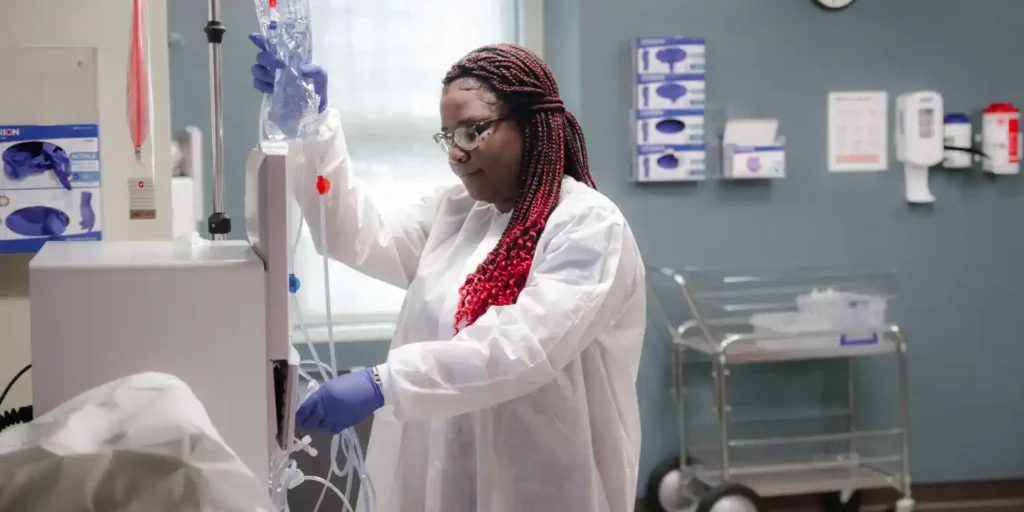
At the Methodist Home for Nursing and Rehabilitation, we understand that recovering while managing kidney disease requires specialized care and thoughtful coordination. Our onsite dialysis services in our Rogosin Institute center, combined with comprehensive short-term rehabilitation, skilled nursing care, and individualized therapy programs, allow patients to receive the services they need without leaving the facility.
By offering rehabilitation and onsite dialysis together, we’re able to simplify the recovery experience while providing the skilled care patients need to regain strength and prepare for a safe return home.
If you or a loved one is preparing for short-term rehabilitation and requires ongoing dialysis, the Methodist Home team is here to help. Contact us to learn more about our rehabilitation and onsite dialysis services or to schedule a tour of our five-star rated facility.
Frequently Asked Questions
Why is receiving dialysis and rehabilitation in the same location beneficial?
Receiving both services in one facility reduces transportation needs, allows your healthcare team to coordinate care more effectively, and helps you focus your energy on recovery rather than traveling between appointments.
Can I receive physical therapy on the same days I have dialysis?
In many cases, yes. Your rehabilitation team works closely with your dialysis schedule to plan therapy sessions at times that best support your comfort, energy level, and recovery goals.
How does onsite dialysis support my rehabilitation?
Receiving dialysis at the same facility where you’re completing rehabilitation allows your healthcare team to coordinate your treatment schedule, monitor your progress, and adjust your care plan as your needs change. This collaborative approach helps support a safe and successful recovery.
Will my family still be involved in my care?
Absolutely. Family members are encouraged to participate in care planning, ask questions, and stay informed throughout the rehabilitation process. Open communication helps everyone feel more confident during recovery.
What happens after I complete rehabilitation?
Before you return home, your care team will develop a personalized discharge plan that may include outpatient therapy, home safety recommendations, follow-up appointments, and coordination of your ongoing dialysis treatments to support continued recovery.