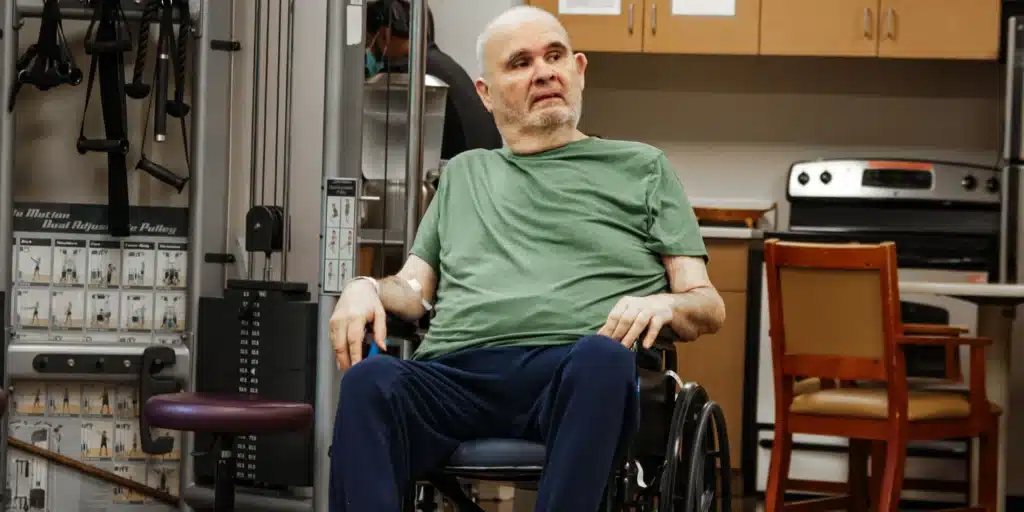
Understanding the Length of a Short-Term Rehabilitation Stay
One of the first questions patients and families ask after a hospitalization is, “How long will rehabilitation take?” It’s a completely understandable question. Whether someone is recovering from surgery, a stroke, an illness, or an unexpected injury, everyone wants to know what to expect and when they can safely return home.
The truth is that there isn’t a single answer. Short-term rehabilitation is designed to help each patient regain strength, mobility, and independence at a pace that’s appropriate for their individual needs. Some patients are ready to return home after just a couple of weeks, while others benefit from additional time to continue building the skills and confidence needed for everyday life.
At the Methodist Home for Nursing and Rehabilitation, rehabilitation isn’t based on a one-size-fits-all timeline. Instead, our interdisciplinary team develops a personalized care plan that focuses on helping each patient achieve meaningful recovery goals while preparing for a safe and successful transition home.
Why Every Recovery Timeline Is Different
No two rehabilitation journeys are exactly alike because no two patients arrive with the same medical history, physical abilities, or personal goals.
Several factors influence how long someone may benefit from short-term rehabilitation, including the reason for hospitalization, their overall health before the illness or injury, and how much assistance they require when rehabilitation begins. Age alone isn’t necessarily the deciding factor. Many older adults recover quickly, while younger patients with more complex medical conditions may require additional time and therapy.
Recovery timelines are also influenced by how well patients respond to therapy and whether any unexpected medical challenges arise during the rehabilitation process. Because healing occurs gradually, the care team continually evaluates progress rather than relying on a predetermined discharge date.
Some of the factors that may influence the length of a rehabilitation stay include:
- The reason rehabilitation is needed
- Overall health before hospitalization
- Strength, balance, and mobility at admission
- Progress made during therapy
- Medical conditions requiring continued monitoring
- Ability to safely perform daily activities at home
- Availability of caregiver support after discharge
For example, someone recovering from a routine knee replacement may progress more quickly than a patient rebuilding strength after a stroke, pneumonia, or a prolonged hospital stay. Both individuals can experience excellent outcomes, but their rehabilitation plans may look very different.
What Happens During the First Few Days?
Many families are surprised to learn that discharge planning actually begins shortly after admission. During the first several days, patients undergo comprehensive evaluations by members of the rehabilitation team, including physicians, nurses, physical therapists, occupational therapists, and, when appropriate, speech-language pathologists.
These evaluations provide valuable information about the patient’s current abilities and help establish a starting point for therapy. The team also reviews the patient’s medical history, medications, home environment, and long-term goals to create a rehabilitation plan tailored to their specific needs.
This collaborative approach allows everyone involved—including the patient and family—to understand what recovery may involve and what milestones will help determine when it’s safe to return home.
Setting Personalized Recovery Goals
One of the most important parts of rehabilitation is establishing realistic, measurable goals. Rather than focusing only on the number of days spent in therapy, the rehabilitation team concentrates on helping patients regain the skills they’ll need to live as independently and safely as possible.
Goals are personalized for every individual, but they often include improvements such as:
- Walking safely with or without an assistive device
- Improving balance and endurance
- Completing dressing, bathing, and other daily activities independently
- Safely navigating stairs when necessary
- Increasing strength and mobility
- Preparing for a successful return home
As patients make progress, goals are updated to reflect new achievements and encourage continued improvement. Celebrating these milestones along the way often helps patients stay motivated throughout their recovery.
The Importance of Consistent Therapy
Successful rehabilitation isn’t about making dramatic improvements overnight. Instead, recovery is typically built through steady progress that occurs over days and weeks.
Patients participate in individualized therapy programs designed to improve strength, coordination, endurance, balance, communication, or other skills affected by illness or injury. Depending on each person’s needs, therapy may include physical, occupational, speech, or respiratory therapy, with specialists working together to provide coordinated care.
Equally important are the periods between therapy sessions. Rest allows the body to recover, while proper nutrition, hydration, medication management, and skilled nursing care support the healing process. Together, these elements create a comprehensive rehabilitation experience that promotes safe, sustainable progress.
Rather than rushing recovery, therapists encourage patients to build confidence through consistent practice while minimizing the risk of setbacks or reinjury.
Preparing for a Safe Return Home
Returning home is an exciting milestone, but it’s also a transition that requires careful planning. That’s why discharge preparation begins well before the final day of rehabilitation.
As patients approach their recovery goals, the care team works closely with both patients and family members to ensure everyone feels prepared for the next stage of care. This may include discussing home safety recommendations, arranging for durable medical equipment such as walkers or shower chairs, coordinating outpatient therapy, or identifying community resources that can provide additional support.
Family education is also an important part of the process. Loved ones often receive guidance on how to safely assist with mobility, encourage continued progress, and recognize situations where additional medical attention may be needed.
Taking time to prepare before discharge helps reduce stress and allows patients to return home with greater confidence.
How Insurance May Affect a Rehabilitation Stay
Insurance is another common concern for patients and families. While coverage can influence certain aspects of rehabilitation, medical necessity remains an important part of determining the appropriate length of stay.
Coverage varies depending on each patient’s insurance plan, diagnosis, and individual circumstances. Throughout the rehabilitation process, the care team communicates with insurance providers, submits required documentation, and helps coordinate services to ensure patients receive appropriate care.
If additional services or alternative care options become necessary, patients and families are guided through those discussions so they understand the available options and can make informed decisions.
Open communication throughout the process helps minimize surprises and allows everyone to focus on what matters most—supporting the patient’s recovery.
Recovery Is Measured by Progress, Not the Calendar
It’s natural to want a specific discharge date, but successful rehabilitation is measured by progress rather than by the number of days spent in therapy.
For one patient, success may mean walking independently after joint replacement surgery. For another, it may mean regaining the ability to prepare meals, safely navigate stairs, or communicate more effectively after a stroke. Each achievement represents meaningful progress toward greater independence.
The ultimate goal isn’t simply leaving rehabilitation as quickly as possible. It’s returning home safely, confidently, and with the skills needed to continue recovering successfully.
Personalized Rehabilitation at the Methodist Home
At the Methodist Home for Nursing and Rehabilitation, every rehabilitation journey begins with understanding the individual behind the diagnosis. Our interdisciplinary team works together to develop personalized care plans that reflect each patient’s medical needs, recovery goals, and plans for returning home.
From skilled nursing care and comprehensive in-house therapy services to private rooms with private bathrooms and coordinated discharge planning, every aspect of our program is designed to support healing while helping patients regain confidence and independence.
If you or a loved one is preparing for short-term rehabilitation, our experienced team is here to answer your questions, explain what to expect, and provide compassionate care throughout every stage of the recovery journey. We invite you to contact us to learn more about our five-star rated rehabilitation services or schedule a tour of our facility.