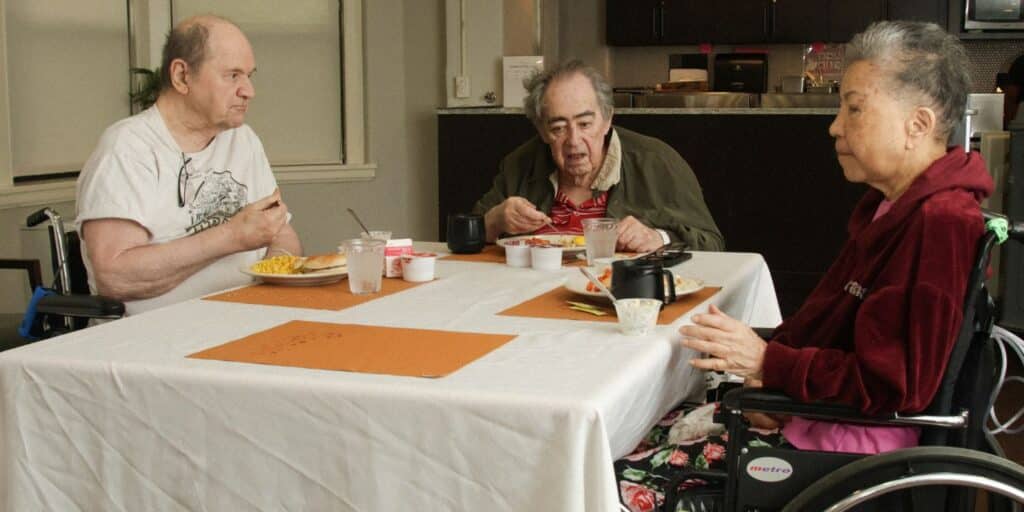
Moving from the hospital to a short-term rehabilitation facility is an important step in recovery. It often means that a patient is medically stable enough to leave the hospital but still needs therapy, nursing care, or other support before returning home safely.
For patients and their families, however, the transition can come with plenty of questions. What happens when you arrive? When does therapy begin? Who will be involved in your care? How quickly will you settle into a routine?
The first few days of a short-term rehab stay are typically focused on getting to know the patient, understanding their needs, establishing goals, and developing an individualized plan for recovery. Knowing what to expect can make the transition feel a little more comfortable for everyone involved.
Arriving and Getting Settled
The first day at a short-term rehabilitation facility is usually a combination of getting settled and gathering information.
Staff will review important details about the patient’s recent hospitalization, current medical needs, medications, mobility, diet, and other aspects of care. Patients and family members may also be asked questions about what the patient was able to do before their illness, injury, or surgery.
This information helps the care team understand not only where the patient is now, but also what they are working toward.
There will also be practical matters to take care of, from becoming familiar with the room and facility to learning how to request assistance and understanding the daily routine.
It can be a lot of information at once, especially after a hospital stay. Patients and families shouldn’t hesitate to ask questions or request clarification along the way.
Meeting the Care Team
Short-term rehabilitation typically involves a team of healthcare professionals working together to support the patient’s recovery.
Depending on individual needs, that team may include physicians, nurses, physical therapists, occupational therapists, speech therapists, respiratory therapists, dietitians, social workers, and other specialists.
During the first few days, members of the care team will evaluate the patient and learn more about their medical history, current abilities, challenges, and goals.
At Methodist Home for Nursing and Rehabilitation, an interdisciplinary approach allows different members of the team to coordinate care throughout a patient’s stay. This is particularly important for patients with multiple medical or rehabilitation needs.
For example, a patient recovering from a stroke may need help with walking and balance from a physical therapist, assistance relearning daily activities with an occupational therapist, and support with speech or swallowing from a speech therapist.
Each discipline brings a different perspective to the recovery process.
Initial Therapy Evaluations
One of the most important parts of the first few days is determining what type and level of therapy the patient needs.
Therapists may evaluate areas such as:
- Strength, balance, and mobility
- Walking and the use of assistive devices
- Getting in and out of bed or a chair
- Dressing, bathing, and other activities of daily living
- Speech and communication
- Memory and cognitive skills
- Eating and swallowing
- Endurance and overall physical function
These initial evaluations provide a starting point. They help the rehabilitation team identify areas that need attention and establish realistic goals for the patient’s stay.
Therapy plans aren’t one-size-fits-all. Two people recovering from the same type of surgery or illness may have very different abilities, challenges, and goals.
Establishing Goals for Recovery
Once the initial evaluations are complete, the care team can begin developing an individualized rehabilitation plan.
Some goals may be very specific, such as being able to walk a certain distance safely, climb stairs, transfer from a bed to a chair, or get dressed independently.
Others may relate more broadly to endurance, strength, confidence, communication, or the ability to safely manage everyday activities.
The patient’s home environment can also influence these goals. Someone who lives in a home with stairs may need to practice navigating steps before discharge. A person who lives alone may need to reach a different level of independence than someone who will have regular assistance at home.
Ultimately, short-term rehabilitation is designed to help each patient make progress toward the level of function they will need for a safe transition to their next setting.
Adjusting to a New Routine
The first few days can feel busy.
In addition to therapy sessions, patients may have medical appointments, nursing care, medications, meals, personal care, and visits from different members of the healthcare team.
This can be an adjustment after spending time in the hospital or following a significant health event.
Patients may also be surprised by how much energy rehabilitation requires. Activities that once seemed simple—walking down a hallway, getting dressed, or standing from a chair—can require significant effort during recovery.
Rest is an important part of the process, too. The rehabilitation team can help balance activity and recovery time based on the patient’s condition and tolerance.
As the first few days pass, the schedule generally becomes more familiar. Patients begin to know when to expect therapy, meals, medications, and other parts of their daily routine.
Communication With Family Members
Family members and caregivers can play an important role during a short-term rehabilitation stay.
During the early days, families may have questions about the patient’s progress, expected length of stay, therapy schedule, medical needs, or plans for returning home.
While it may be too early to have every answer immediately, communication with the care team can help families understand what is happening and what milestones the patient is working toward.
Family members can also provide valuable information about the patient’s life before hospitalization, including their normal routine, home setup, previous level of independence, and available support.
As recovery progresses, caregivers may also receive education or training to help prepare for the patient’s eventual transition home.
Thinking About Discharge Starts Early
It might seem strange to think about leaving rehab when a patient has just arrived, but discharge planning often begins early in the rehabilitation process.
The goal isn’t to rush recovery. Rather, early planning gives the patient, family, and care team time to identify what will be needed for a safe transition.
Questions may include whether the patient will need equipment at home, additional therapy, home health services, follow-up appointments, medication management, or assistance from family members or other caregivers.
The patient’s progress throughout rehabilitation will help shape these plans.
Starting the conversation early can also give families more time to prepare and address potential concerns before discharge day arrives.
Give Yourself Time to Adjust
The first few days of short-term rehab are just the beginning.
It’s normal for patients to arrive feeling tired, uncertain, or even frustrated by the things they aren’t yet able to do. Recovery doesn’t happen all at once, and progress may look different from one person to another.
Those early evaluations, therapy sessions, and conversations give the care team the information needed to develop a plan and begin working toward meaningful goals.
As patients become familiar with their surroundings, their care team, and their daily routine, short-term rehabilitation can begin to feel less unfamiliar – and the focus can shift toward building strength, improving function, and preparing for what comes next.
The Methodist Home for Nursing and Rehabilitation provides short-term rehabilitation services in the Bronx, with an interdisciplinary team focused on helping patients work toward greater independence and a safe transition after their stay.
If you or a loved one is preparing for rehabilitation after an illness, injury, surgery, or hospitalization, contact Methodist Home to learn more about our short-term rehabilitation services.
Frequently Asked Questions
How soon does therapy begin after arriving at short-term rehab?
Patients are typically evaluated soon after admission so the rehabilitation team can determine their needs and develop an appropriate therapy plan. The exact timing and schedule will depend on the patient’s condition and individual care needs.
What should I bring for a short-term rehab stay?
Patients may want comfortable clothing suitable for therapy, supportive shoes, personal care items, and any other belongings recommended by the facility. Before admission, ask the rehabilitation facility whether there are specific items you should bring or leave at home.
How is a short-term rehabilitation plan created?
The care team considers the patient’s medical needs, current abilities, previous level of function, therapy evaluations, home environment, and recovery goals. This information is used to develop an individualized plan for rehabilitation.
How long will a patient stay in short-term rehab?
There is no single length of stay that applies to everyone. The length of rehabilitation depends on factors such as the patient’s medical condition, progress, functional abilities, goals, and the level of support that will be available after discharge.
When will we know when the patient can go home?
Discharge planning begins early, but the exact timing may become clearer as the care team sees how the patient progresses. The goal is to develop a safe discharge plan based on the patient’s abilities, medical needs, home environment, and available support.