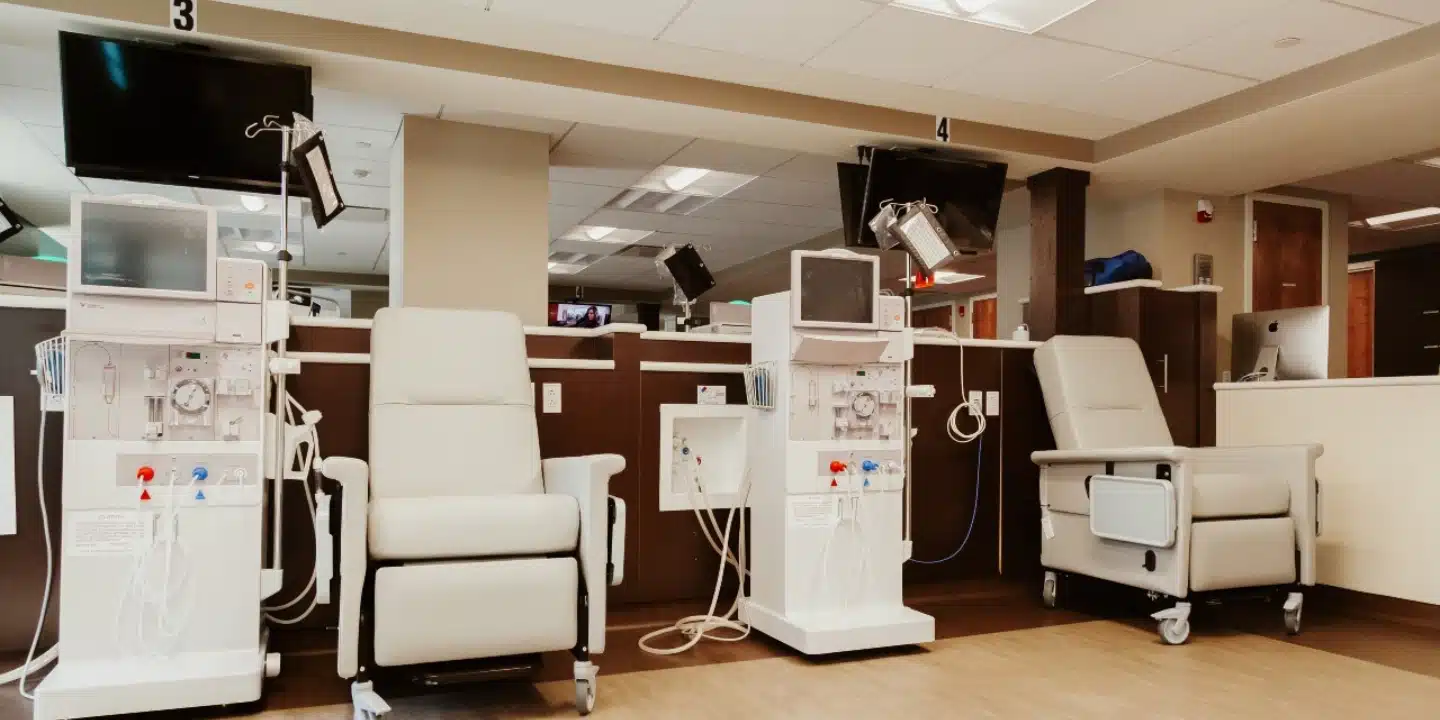
Starting dialysis can feel overwhelming, especially when it’s a new part of your healthcare journey. Whether this type of treatment is part of a short term rehabilitation stay or a longer-term care plan, knowing what to expect and how to prepare for dialysis can help reduce stress and build confidence. A little planning goes a long way in helping patients feel more comfortable and supported throughout the process.
Understanding Your Dialysis Plan
Dialysis is a life-sustaining treatment that helps remove waste and excess fluids from the body when the kidneys can no longer do so effectively. We are proud of our partnership with the Rogosin Institute that enables us to provide inpatient dialysis to short term rehabilitation patients at the Methodist Home.
For patients recovering from surgery, illness, or injury, inpatient dialysis offers the benefit of receiving treatment alongside nursing care, therapy services, and medical oversight in one coordinated setting. Your physician and care team will determine the schedule and treatment plan based on your individual health needs.
Medical Preparation Before Dialysis Begins
Before starting dialysis, it’s helpful to have a clear understanding of your medical history. Your care team will review medications, recent lab work, and any other health conditions that may affect treatment. If you’re transitioning from a hospital stay, this information is often shared directly between providers to ensure continuity of care.
Patients are encouraged to ask questions and communicate openly about symptoms, concerns, or changes in how they’re feeling. Dialysis works best when it’s part of a collaborative care plan.
Preparing Physically for Dialysis
Dialysis treatments typically occur several times per week and may last a few hours each session. Staying hydrated within your prescribed limits, eating appropriately, and pacing your energy throughout the day can help you feel more comfortable during treatment.
Some patients experience fatigue or mild side effects following dialysis. At a skilled nursing facility, nursing staff are available to monitor symptoms, provide support, and adjust care as needed to keep patients safe and comfortable.
Nutrition and Dietary Considerations
Diet plays an important role in dialysis care. Many patients follow renal-friendly nutrition guidelines that help manage fluid intake, potassium, sodium, and phosphorus levels.
At the Methodist Home, meals and snacks are prepared with these needs in mind and coordinated as part of each patient’s care plan. Dietary accommodations are made alongside rehabilitation goals to support overall health and treatment success.
What to Bring to Dialysis Sessions
Patients are encouraged to wear comfortable clothing and may bring personal items such as a book or music to help pass the time during treatment. For inpatient dialysis patients, most daily needs are already provided, reducing the need to plan or pack extensively before your treatment session.
Emotional Preparation and Support
It’s normal to feel anxious or uncertain when beginning dialysis. Staying informed, asking questions, and understanding the role dialysis plays in your recovery can help ease those feelings. Support from healthcare providers, family members, and fellow patients can also make a meaningful difference.
Dialysis as Part of Rehabilitation
When dialysis is part of a rehabilitation stay, care teams work together to coordinate treatment schedules with therapy sessions. This ensures patients can continue making progress toward mobility and independence goals while receiving essential medical care.
Dialysis Care at the Methodist Home
Through our partnership with the Rogosin Institute dialysis center, the Methodist Home offers inpatient and outpatient dialysis supported by 24/7 nursing care, private rooms, and a multidisciplinary care team. By providing dialysis alongside rehabilitation, nutrition, and medical services, patients receive coordinated care in a familiar setting.
Preparing for dialysis doesn’t mean facing it alone. If you or a loved one is beginning dialysis as part of a rehabilitation stay, we invite you to learn more about how our team supports patients every step of the way. Contact us today to explore our dialysis services and comprehensive care options.