Recovering from an injury, illness, or surgery can affect more than physical strength. When everyday activities suddenly become difficult, patients may also lose confidence in their ability to move safely, care for themselves, and return to the routines they enjoyed before a medical event.
Physical therapy plays an important role in rebuilding both physical abilities and that sense of confidence. Through personalized exercises, mobility training, and achievable goals, physical therapists help patients understand what their bodies are capable of and make steady progress toward greater independence.
At the Methodist Home for Nursing and Rehabilitation, physical therapy is an important part of many short-term rehabilitation stays. Our team works closely with each patient to help them regain strength, improve mobility, and feel more prepared to safely return home.
Why Confidence Can Change After an Injury or Illness
Even someone who was active and independent before hospitalization may feel uncertain afterward. An extended illness can lead to weakness and reduced endurance, while an injury or surgery may temporarily change how someone walks, climbs stairs, or completes everyday tasks.
Fear of falling or reinjury can also cause patients to become more cautious about movement. While some caution is appropriate during recovery, avoiding activity altogether can make it more difficult to regain strength and mobility.
This is where professional guidance becomes especially valuable. Instead of asking patients to determine on their own what is safe, physical therapists provide structured support based on each person’s abilities, diagnosis, and recovery goals.
Over time, successfully completing activities that once felt difficult can help replace uncertainty with greater confidence.
Building Strength One Step at a Time
Physical therapy is not about expecting patients to immediately return to their previous level of activity. Rehabilitation is a gradual process, and treatment plans are designed to meet patients where they are.
Depending on individual needs, physical therapy may focus on areas such as:
- Improving strength, balance, and coordination
- Increasing flexibility and range of motion
- Practicing walking and safe transfers
- Building endurance for everyday activities
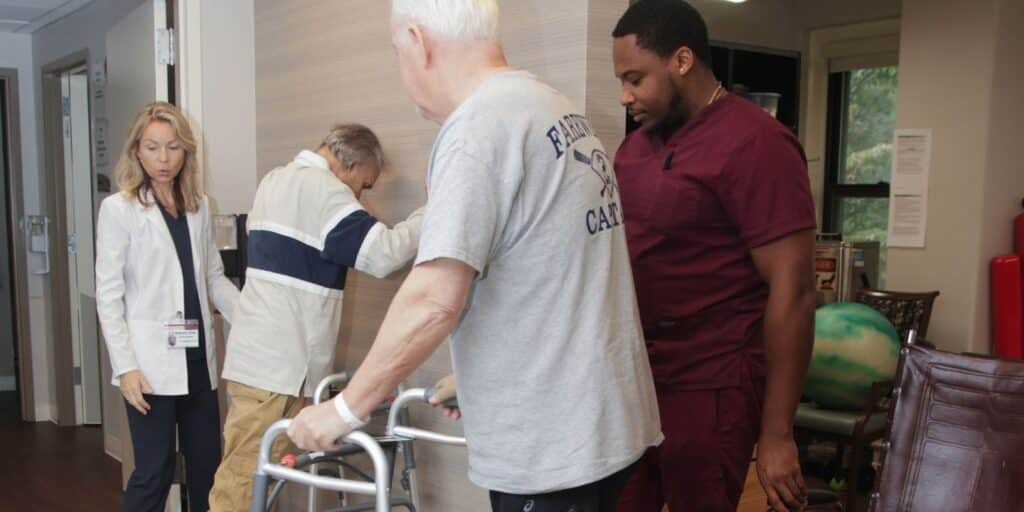
- Learning to safely use a walker, cane, or other assistive device
Each accomplishment provides a foundation for the next. Standing safely may lead to taking a few steps. Those steps may eventually lead to walking farther, navigating stairs, or moving independently around the home.
Seeing that progress firsthand can be an important source of motivation.
Setting Realistic Goals During Rehabilitation
One of the benefits of receiving physical therapy during a short-term rehabilitation stay is having clear goals to work toward.
Those goals will look different for every patient. One person may want to walk independently again, while another may need to safely transfer from a bed to a wheelchair. For someone preparing to return to a multilevel home, navigating stairs may be an especially important milestone.
Breaking larger goals into smaller, achievable steps can make recovery feel less overwhelming. Physical therapists can also help patients recognize improvements they might otherwise overlook.
Progress isn’t always dramatic from one day to the next. Sometimes an extra few minutes of activity, better balance, or needing slightly less assistance represents meaningful improvement. Recognizing these smaller victories can encourage patients to continue working toward their larger goals.
Overcoming Fear of Falling or Reinjury
After a fall, fracture, surgery, or other significant medical event, fear can become a very real barrier to recovery.
A patient may worry that putting weight on an affected leg will cause another injury, or someone who recently fell may become hesitant to walk without assistance. These concerns are understandable, but they can also limit activity and independence if they aren’t addressed.
Physical therapy provides an environment where patients can practice movement with professional supervision. Therapists can identify areas of weakness, correct unsafe movement patterns, and teach techniques that make everyday activities safer.
Balance exercises and mobility training can be particularly valuable for patients who are worried about falling. As strength and stability improve, patients often begin to trust their bodies again.
Practicing Skills for Everyday Life
Rehabilitation becomes especially meaningful when patients can connect what they are doing in therapy with the life they want to return to.
Physical therapists consider the types of movements patients will need after discharge. That may mean practicing getting in and out of a chair, walking different distances, navigating steps, or improving endurance for moving throughout the home.
This practical approach gives patients opportunities to practice skills before they need to perform them independently.
Physical therapy also works alongside occupational therapy and other rehabilitation services. While physical therapy may emphasize mobility, strength, and balance, occupational therapy can help patients practice activities of daily living such as dressing, bathing, and preparing meals. Together, these services help patients prepare for greater independence.
The Importance of Encouragement During Recovery
Physical recovery takes effort, and there will naturally be easier and more challenging days. Encouragement from therapists, nursing staff, family members, and friends can help patients stay engaged when progress feels slow.
Therapists provide more than exercises. They offer feedback, reassurance, and guidance throughout the rehabilitation process. They can help patients understand why particular exercises matter and how the work they are doing relates to their personal recovery goals.
Family members can reinforce this progress by celebrating improvements without placing unnecessary pressure on their loved one. Something that appears small from the outside may represent a significant achievement for someone rebuilding strength after a serious health event.
A supportive environment can help patients focus less on what they cannot do yet and more on how far they have already come.
Learning to Move Safely Before Returning Home
Confidence isn’t simply about feeling capable. Patients also need the skills and preparation to move safely after rehabilitation.
As discharge approaches, therapy can increasingly focus on the activities patients will encounter at home. Therapists may recommend assistive devices, continued exercises, outpatient rehabilitation, or modifications to the home environment based on individual needs.
Patients may also learn strategies for pacing activity, conserving energy, and recognizing when they need assistance.
The goal isn’t to eliminate every possible challenge before discharge. Instead, rehabilitation helps give patients the physical skills, practical strategies, and confidence to continue progressing safely after they return home.
Continuing Progress Beyond Short-Term Rehabilitation
Recovery doesn’t necessarily end when a short-term rehabilitation stay does.
Patients may continue building strength and endurance for weeks or months after returning home. Following recommended exercise programs, attending outpatient physical therapy when appropriate, staying active, and keeping medical follow-up appointments can all help maintain the progress made during rehabilitation.
Regular movement can also support long-term strength, balance, flexibility, and overall health. The appropriate type and amount of activity will vary, so patients should follow recommendations from their healthcare providers and rehabilitation team.
Perhaps most importantly, patients can carry forward the confidence they gained by seeing what consistent effort helped them accomplish.
Physical Therapy at the Methodist Home
At the Methodist Home for Nursing and Rehabilitation in the Bronx, our onsite rehabilitation team provides physical therapy as part of a coordinated approach to short-term recovery.
Physical therapists collaborate with occupational and speech therapists, nurses, physicians, and other members of the interdisciplinary care team to develop individualized plans based on each patient’s needs and goals. Having rehabilitation and skilled nursing services available in one location also allows the team to communicate about progress and make adjustments throughout a patient’s stay.
Patients recover in private rooms with private bathrooms, providing a comfortable place to rest between therapy sessions while working toward greater strength and independence.
Rebuilding Strength, Independence, and Confidence
Recovering from an injury or illness isn’t only about getting stronger. It’s also about becoming comfortable using that strength again.
Physical therapy gives patients opportunities to practice, progress, and rediscover abilities that may have felt uncertain after a medical event. Each milestone can help build the confidence needed for the next stage of recovery.
If you or a loved one needs additional support following an illness, injury, or surgery, the Methodist Home for Nursing and Rehabilitation is here to help. Contact our team to learn more about our short-term rehabilitation services in the Bronx or to schedule a tour.
Frequently Asked Questions
- How can physical therapy help with confidence after an illness or injury?
Physical therapy gives patients opportunities to safely practice movements and everyday activities that may have become more difficult. As strength, balance, mobility, and endurance improve, patients may begin to feel more comfortable and confident in their abilities. - What if a patient is afraid of falling during physical therapy?
Fear of falling is common after an injury, illness, hospitalization, or previous fall. Physical therapists can work with patients on strength, balance, walking, and safe movement while providing appropriate support as they regain their abilities. - Does physical therapy only focus on walking?
No. Depending on a patient’s needs, physical therapy may address strength, balance, endurance, coordination, transfers, mobility, and other skills needed to move safely and independently. - How quickly do patients regain strength and confidence during rehabilitation?
Recovery is different for every patient. Factors such as the person’s medical condition, previous level of function, and rehabilitation needs can all affect progress. Even small improvements can be meaningful steps toward greater independence. - Can family members help a loved one regain confidence during rehabilitation?
Yes. Encouragement from family members can be valuable, especially when it focuses on progress rather than pressure. Families can also communicate with the rehabilitation team to better understand the patient’s goals and how they can safely support continued progress.