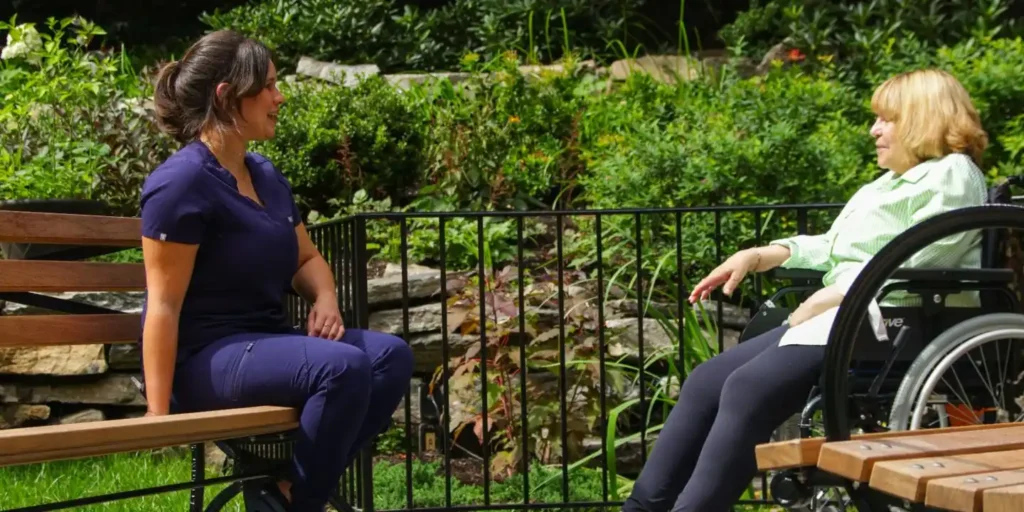
Preparing for a short term rehabilitation stay can feel a little overwhelming, especially when you’re transitioning directly from the hospital after surgery, illness, or injury. Along with adjusting to a new environment, you may be wondering what you’ll need during your stay and which belongings are best left at home.
The good news is that packing for short term rehabilitation doesn’t have to be complicated. Most facilities provide the essentials for daily care, allowing patients to focus on therapy, rest, and recovery. Bringing a few familiar belongings and practical items can help make the experience more comfortable.
Whether you are wondering what to expect of your rehabilitation stay or helping a loved one get ready, this guide covers what to consider packing, what to leave behind, and how to make the transition a little easier.
Comfortable Clothing for Therapy and Everyday Activities
One of the most important things to pack is comfortable clothing that allows you to move freely.
During short term rehabilitation, patients often participate in physical and occupational therapy to improve strength, mobility, balance, and independence. Clothing should allow for movement without being restrictive or difficult to put on.
Consider packing:
- Loose-fitting pants, sweatpants, or comfortable shorts
- T-shirts, casual tops, or lightweight sweaters
- Comfortable undergarments and socks
- Pajamas or other sleepwear
- A sweater or cardigan for layering
Clothing with elastic waistbands and easy-to-manage closures can be particularly helpful for patients who have limited mobility or difficulty with buttons and zippers.
You may also want to consider your specific medical needs. For example, someone recovering from knee surgery may find loose-fitting pants more comfortable, while a patient with limited shoulder mobility may prefer shirts that open in the front.
Ask the rehabilitation facility how often laundry is available and how many changes of clothing are recommended. Labeling personal items with your name can also help prevent belongings from being misplaced.
Supportive Shoes and Safe Footwear
Proper footwear is especially important during rehabilitation.
Physical therapy often involves standing, walking, practicing balance, and completing exercises designed to improve mobility. Shoes that fit properly and provide good support can help patients participate more comfortably and safely.
Choose closed-toe shoes with nonslip soles and a secure fit. Athletic shoes or supportive walking shoes are often good options, provided they are appropriate for your condition. Avoid bringing loose slippers, flip-flops, or shoes with slippery soles, as these may increase the risk of falls.
If bending over or tying shoelaces is difficult, consider shoes with adjustable straps or other easy-to-manage closures. Your rehabilitation team can help determine which footwear is safest for your current abilities.
Personal Hygiene and Grooming Essentials
Having your preferred personal care products available can help you maintain familiar routines and feel more comfortable during your stay.
Before packing, ask which toiletries the facility provides. Depending on what’s available, you may want to bring your own toothbrush, toothpaste, hairbrush, deodorant, shampoo, conditioner, and other everyday grooming products.
Items such as hearing aids, eyeglasses, dentures, and their necessary cases or cleaning supplies are also important to remember. If you use an electric razor or another personal grooming device, check whether it is permitted.
For safety and convenience, choose products that are easy to use and avoid bringing unnecessary quantities. Fragrance-free products may also be preferable in shared healthcare environments.
Important Documents and Medical Information
Although much of your medical information may be transferred directly from the hospital, it’s helpful to have important documents and contact information readily available.
Depending on the facility’s admission requirements, you may need identification, insurance information, emergency contact details, and copies of relevant healthcare documents.
Consider keeping the following information together in a small folder:
- Photo identification and insurance cards
- Emergency contact names and phone numbers
- A current medication list, including allergies
- Healthcare proxy or advance directive documents, if applicable
- Contact information for your primary care physician and specialists
Having these details organized can make the admission process easier for patients, family members, and the care team.
If you’re unsure which documents are required, contact the admissions department before your arrival.
Medications and Medical Devices
Medication management is an important part of skilled nursing care, and rehabilitation facilities generally have specific procedures for reviewing, storing, and administering medications.
Do not assume you should bring prescription medications from home. Before admission, ask whether medications should be brought with you, provided through the facility’s pharmacy, or handled through another process.
Be prepared to share an accurate list of prescription medications, over-the-counter products, vitamins, and supplements.
If you use specialized medical equipment, ask whether it should accompany you. The facility can also explain whether personal mobility aids, such as walkers or wheelchairs, are needed or whether appropriate equipment will be provided.
Communicating these needs in advance helps the rehabilitation team prepare for your arrival.
Familiar Items That Make Your Stay More Comfortable
Although short term rehabilitation is focused on recovery, comfort and emotional well-being matter, too. Spending time away from home can feel unfamiliar, particularly after a hospitalization. A few personal belongings may help make your room feel more welcoming.
Consider bringing a favorite book, family photographs, crossword puzzles, a journal, or another small activity you enjoy. A phone or tablet can also make it easier to stay connected with loved ones. Remember to bring the appropriate charger, and ask whether there are any restrictions on personal electronic devices.
At the Methodist Home for Nursing and Rehabilitation, short term rehabilitation patients have private rooms with private bathrooms, offering a comfortable space for rest and personal belongings.
While familiar items can make a difference, it’s best to pack selectively. You don’t need to recreate your entire home environment to feel settled during a temporary stay.
What Should You Leave at Home?
Knowing what not to pack is just as important as knowing what to bring.
Valuable jewelry, large amounts of cash, expensive electronics, and irreplaceable personal belongings are generally best left at home. Keeping unnecessary valuables out of the facility reduces the risk of loss or damage.
It’s also a good idea to avoid packing excessive clothing, bulky decorations, or items that could create clutter and make moving around the room more difficult.
Before bringing electrical appliances, heating devices, or other specialized personal equipment, check with the facility about its safety policies.
When in doubt, ask the admissions team whether an item is appropriate for your stay.
Packing for Your Individual Rehabilitation Needs
Not every patient will need the same belongings.
Someone recovering from orthopedic surgery may benefit from loose clothing that accommodates swelling or surgical dressings. A patient recovering from a stroke may need clothing that is easier to put on with limited hand or arm movement.
Individuals receiving ongoing medical treatments, including dialysis, may also have specific clothing or personal care considerations. Your physician, nursing team, or rehabilitation therapists can help identify anything additional that may be useful based on your condition.
It’s also worth remembering that you don’t need to anticipate every possible need before admission. Family members or caregivers can often bring additional items later once you’ve had time to settle in and become familiar with your daily routine.
Preparing for a Comfortable Rehabilitation Stay
Packing is only one part of preparing for short term rehabilitation, but having the right belongings can make the transition easier. Most importantly, remember that you don’t need to have everything figured out in advance. Your rehabilitation team is there to help you adjust to your surroundings, understand your daily routine, and work toward your recovery goals.
At the Methodist Home for Nursing and Rehabilitation, our short term rehabilitation program combines skilled nursing care with individualized physical, occupational, speech, and respiratory therapy services. Our team works closely with patients and families to support a comfortable stay and help patients prepare for their return home.
If you or a loved one is preparing for short term rehabilitation, contact the Methodist Home to learn more about our services, admission process, or what to expect during your stay.
Frequently Asked Questions
How many changes of clothing should I pack for short term rehabilitation?
The amount of clothing you’ll need depends on the expected length of your stay and the facility’s laundry arrangements. Several comfortable outfits, along with sleepwear, socks, and undergarments, are a good starting point. Ask the facility for specific recommendations before packing.
Do I need to bring my own toiletries to a rehabilitation facility?
Many rehabilitation facilities provide basic personal care supplies, but what’s included can vary. You may prefer to bring familiar products such as your own shampoo, toothpaste, deodorant, or skincare items. Check with the facility to avoid packing unnecessary supplies.
Should I bring my medications from home?
Always confirm medication procedures with the rehabilitation facility before admission. Skilled nursing facilities typically manage medication administration and may have specific pharmacy arrangements. Bring an accurate medication list, but do not bring or take personal medications without following the facility’s instructions.
Can I bring my phone, tablet, or other electronic devices?
Personal phones, tablets, and similar devices are generally permitted in many rehabilitation facilities. They can help patients communicate with family and enjoy familiar activities during downtime. Check the facility’s policies, and remember to bring chargers for any approved devices.
What if I forget something important?
Forgetting an item is usually manageable. Family members or caregivers may be able to bring additional clothing or personal belongings after admission. If you discover that you need something related to your care or rehabilitation, speak with the nursing staff or admissions team about the best way to obtain it.